
How Australians Can Secure a 10-Year UAE Golden Visa via Property & Investment
Looking to establish a long-term foothold in the Middle East? For Australian investors, purchasing qualifying real estate is one of the most practical routes to potentially secure the UAE’s 10-year Golden Visa. Unlike the old employment visas tied a single company sponsor, the Golden Visa grants independent long-term residency.
The rules, thresholds, and financial realities for Australian citizens securing residency via real estate and capital investment break down into concrete steps.

Key Requirements at a Glance
| Criterion | Requirement Details | Official Authority Reference |
| Minimum Investment | AED 2,000,000 (Official statutory benchmark; foreign currency equivalents vary with market FX rates) | Dubai Land Department (DLD) / Federal Authority for Identity, Citizenship, Customs and Port Security (ICP) |
| Eligible Asset Types | Freehold residential or commercial property (ready or off-plan) | UAE Ministry of Economy & Tourism (MOET) / DLD |
| Portfolio Rule | Single property or combined portfolio of multiple properties reaching AED 2M total | General Directorate of Residency and Foreigners Affairs (GDRFA) / DLD |
| Mortgage Eligibility | Permitted via an authorized UAE bank; requires a No Objection Certificate (NOC) | Central Bank of the UAE / GDRFA |
| Family Sponsorship | Spouse, children of any age, and domestic staff | Federal Authority for Identity, Citizenship, Customs and Port Security (ICP) |
| Stay Requirements | No minimum annual stay required; your visa remains valid even if you stay outside the UAE for more than 6 months | ICP Golden Residency Regulations |
Route 1: The Property Investment Pathway
Most Australians secure their Golden Visa through real estate. Under current rules administered by the Dubai Land Department (DLD) and regional land registries across Abu Dhabi and Ras Al Khaimah, you qualify under three distinct structures:
- Direct Outright Purchase: Buying a ready residential or commercial property with a registered purchase value of at least AED 2 million on the title deed. (source: Global Law Experts)
- Combining Multiple Properties: You do not have to put the entire sum into one address. An investor can purchase two one-bedroom apartments (for instance, one in Dubai and one on Al Marjan Island in Ras Al Khaimah) worth AED 1.1 million and AED 950,000, combining them to clear the AED 2 million threshold. (source: Family Visa AE)
- Off-Plan Property: Off-plan acquisitions from government-approved developers qualify, provided the initial contract value meets AED 2 million and the developer provides an official statement confirming project registration and paid instalments.
- Financed / Mortgaged Real Estate: If using debt through a local UAE bank, the property’s total certified valuation must clear the AED 2 million mark, and you must obtain an official bank NOC confirming that your financing terms are in good standing.
Route 2: The Public Investment / Fund Pathway
For Australians who prefer not to buy physical brick-and-mortar assets, the public investment stream offers an alternative:
- Deposit in an Approved Investment Fund: Depositing a minimum of AED 2,000,000 in an investment fund officially accredited by the UAE Central Bank.
- Corporate Equity Capital: Establishing or investing in a commercial or industrial company with paid-up capital of at least AED 2,000,000, verified through an audited company memorandum and commercial license.
The ATO Factor: What Australians Must Know About Tax
This is where many Australian investors make costly assumptions.
The UAE charges 0% personal income tax and 0% capital gains tax on residential property. However, holding a UAE Golden Visa does not automatically free you from the Australian Taxation Office (ATO).
A few realities to keep in mind:
- No Double Taxation Agreement (DTA): Australia and the UAE signed the Comprehensive Economic Partnership Agreement (CEPA) covering trade, but there is no bilateral tax treaty covering personal income tax. There is no "tie-breaker" clause if both countries view you as a tax resident.
- The ATO Residency Tests: If you retain primary family ties, bank accounts, an active family home, or spend significant time in Australia, the ATO may still treat you as an Australian resident for tax purposes. If they do, your worldwide earnings—including rental profits from Dubai property remain taxable in Australia.
- Breaking Residency Cleanly: To benefit fully from the UAE’s tax neutrality, Australians typically need to sever personal ties, secure long-term accommodation abroad, obtain a formal UAE Tax Residency Certificate (TRC), and manage travel back home well within statutory thresholds. Always consult an Australian international tax specialist before moving funds.
Step-by-Step Application Process
Securing the visa via property typically takes between 10 and 20 business days once your title deed or initial contract is registered. (Government processing time may vary):
- Asset Selection & Conveyance: Purchase an approved freehold property valued at AED 2,000,000 or more. Once complete, receive your official Title Deed (for ready homes) or Oqood/initial contract (for off-plan).
- DLD / Municipal Valuation: For Dubai property, visit the DLD Cube at the Dubai Land Department, which runs a dedicated one-stop counter for Golden Visa applicants.
- Medical Fitness & Biometrics: Complete standard government health screening (blood test and chest X-ray) and submit your biometrics for the UAE National ID card (Emirates ID).
- Visa Issuance & Family Sponsorship: Once approved, your 10-year Golden Residency is stamped digitally into your passport, and your Emirates ID is dispatched. You can immediately sponsor your spouse, children of any age, and private staff.
Required Documentation Checklist
To ensure a seamless filing through the DLD Cube (in Dubai) or the federal ICP/TAMM portals, applicants should prepare the following original documents and certified copies:
Primary Applicant Identity:
- Original Australian Passport (minimum 6 months validity remaining).
- High-resolution digital passport-size photographs on a white background.
- Current UAE Tourist Visa, On-Arrival Stamp, or existing Residence Visa copy (if holding prior residency).
Property Ownership Verification:
- Original Title Deed issued by the Land Department (for ready properties) OR initial sales registration contract / Oqood (for approved off-plan acquisitions).
- Official Property Valuation Certificate (issued by the local Land Department or accredited municipal valuator if relying on market appreciation).
- Bank No Objection Certificate (NOC) / Mortgage Statement (if property is mortgaged through a local UAE bank).
Health & Insurance Clearance:
- UAE Medical Fitness Certificate (blood test and chest X-ray completed at an approved government health authority center).
- Proof of UAE-compliant Health Insurance policy.
Family Sponsorship Documents (If Applicable):
- Marriage Certificate (for spouse sponsorship), legally attested by the Department of Foreign Affairs and Trade (DFAT) in Australia and the UAE Ministry of Foreign Affairs (MOFA).
- Birth Certificates for dependent children, similarly attested by DFAT and MOFA.
Core Rules & Investor Benefits
- No Physical Presence Mandate: Standard UAE residency visas automatically lapse if the holder spends more than 180 consecutive days outside the country. Golden Visa holders are legally exempt from this rule, allowing Australians to move flexibly between both countries.
- Full Work & Commercial Autonomy: Holders are free to live, conduct business, or enter employment across the Emirates without requiring traditional employer sponsorship.
- Family Security: In the event of the primary visa holder’s passing during the 10-year term, sponsored family members are permitted to retain their residency status until the natural expiry of their permits.
- Investment Maintenance: The visa remains valid strictly on the condition of maintaining the underlying qualification. If the asset is sold, the investor must either purchase a replacement asset of equal value or adjust their visa category.
Disclaimer & Regulatory Notice:
Immigration policies, visa eligibility criteria, cross-border tax rules, and property regulations in both the United Arab Emirates and Australia are subject to ongoing legislative changes. While real estate and capital deployment offer established pathways to long-term residency, property acquisition does not automatically guarantee visa approval, as all applications remain subject to individual vetting and discretionary review by UAE immigration bodies. Always consult certified legal, migration, and international tax professionals before executing property purchases or tax restructuring.
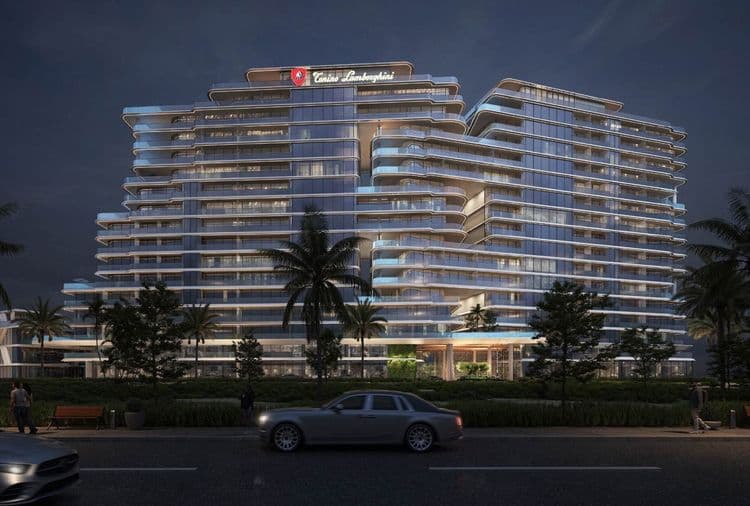
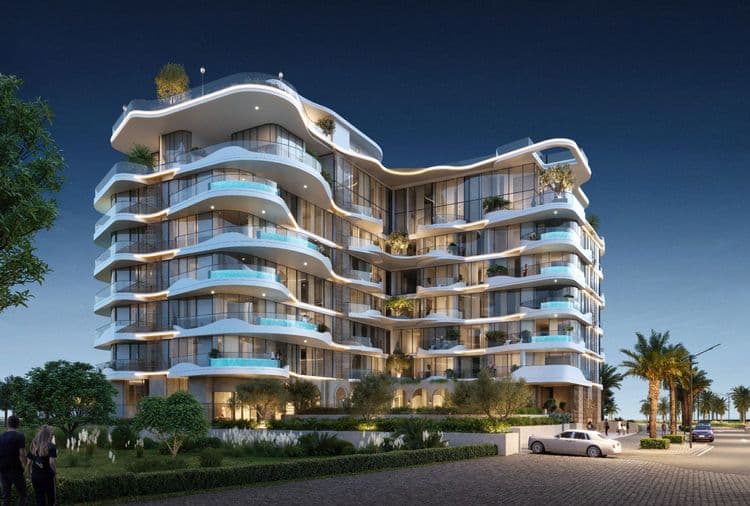
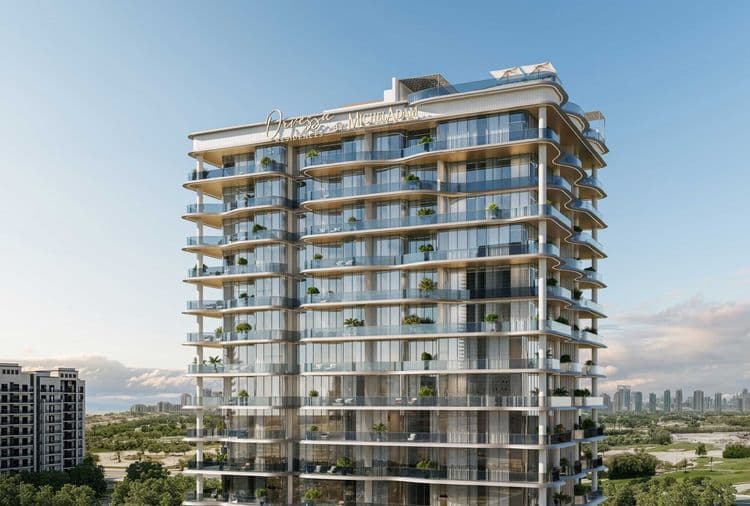
Explore Properties in UAE
Frequently Asked Questions
Can my Australian spouse and children work on this visa?
Yes. Golden Visa holders and their sponsored dependants can live, study, and work across the UAE without needing separate employer sponsorship, however, they will need a work permit.
What happens if I sell the property before the 10 years end?
The visa is conditional on maintaining the qualifying investment. If you sell your property, you must either replace it with another qualifying asset worth AED 2 million or transition to an alternative residency category.
Do I need to visit the UAE every six months to keep it active?
No. Standard UAE residency visas lapse if you remain outside the country for more than 180 consecutive days, but the Golden Visa explicitly waives this requirement, allowing you to travel freely between Australia and the Middle East without losing your status.