

Salik Toll Gates System, Location, Charges, and Benefits
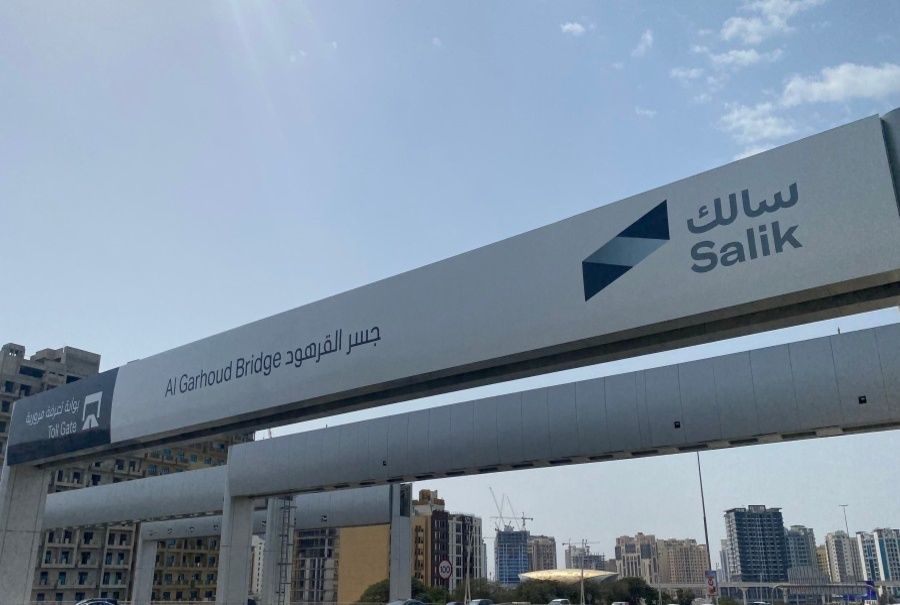
Being aware of the specific locations of the Salik gates in Dubai is vital if you are driving in and across the city. Knowing about them will allow you to plan your journey and routes better and stay informed about toll charges for your overall journeys.
When you stay updated with this information, it empowers you to make smart and well-informed choices. In the process, it aids you in optimising your travel expenses and avoiding additional and unexpected charges. Furthermore, by strategically using the toll gates, you can also steer clear of heavy traffic, which, in turn, leads to a more convenient, cost-effective, and efficient road travel experience.
In this space, we are going to provide you with an in-depth guide to all the Salik toll gates in Dubai. We are going to acquaint you with their locations, timings, and charges so that all you need to do is bookmark this page to gather all information related to Salik in the city.
Understanding the Salik System in Dubai
Before getting into the Salik gates, let us understand the Salik system first. Salik is the electronic toll collection system of Dubai, which facilitates the charging of vehicles using certain roads in the emirate.
It uses Radio Frequency Identification (RFID) technology, with which Salik tags (attached to the windscreens of the vehicles) are scanned at toll gates, and the corresponding charges are deducted automatically from the prepaid account of the vehicle owner. The Salik system not only helps in streamlining the toll payment process but also facilitates smoother traffic flow on Salik-enabled roads.
To comply with the Salik system, vehicle owners are required to buy and install a Salik tag on their vehicles. This makes sure that the charges are deducted automatically and accurately from their accounts. In the process, it facilitates a seamless driving experience across the extensive network of roads of the emirate.
By understanding the nuances of the Salik system, motorists can massively benefit on the road as it will enable them to effectively navigate the city and manage their accounts with ease.
What are the Benefits and Goals of Salik?
The implementation of Salik helps in achieving several major objectives that align with the long-term urban mobility goals of the city. A look into the benefits of the Salik system will help you understand this aspect further.
Traffic Congestion Management
By penalising road use during peak times, the Salik system encourages drivers to use alternative routes or public transport or shift travel times, which, in turn, helps in alleviating pressure on major roads.
The system adopts a multi-pronged approach, which includes free-flow tolling and demand management strategies.
Revenue for Infrastructure
Revenues from tolls help fund road upgrades, maintenance, and future transport infrastructure. The Salik system helps generate major revenue for infrastructure through a self-sustaining, futuristic financial model.
These funds are then reinvested by the RTA (Roads and Transport Authority) into the maintenance, expansion, and development of the road network as well as public transport systems of the city.
Efficient, Barrier-Free Traffic Flow
Automatic toll collection via RFID eliminates the need for manual toll booths, allowing smooth passage and avoiding delays due to stopping and queuing.
It does so through a multi-pronged approach, which includes free-flow tolling and demand management strategies. By eliminating toll booths and barriers, the Salik system enables vehicles to pass through at normal highway speeds. As such, it prevents traffic from stopping or even slowing down at toll points.
Encouraging Smart Mobility
The Salik system encourages smart mobility in Dubai through strategic integrations and technology-driven solutions that improve traffic flow and support sustainable transport initiatives.
Through strategic gate placement and dynamic pricing, this system supports the vision of the emirate for a smarter, more sustainable transport landscape, thereby complementing future mobility and overall public transport initiatives.
List of Salik Toll Gates in Dubai
For a long time, there were eight operational Salik toll gates in Dubai. However, in November 2024, two additional toll gates — Al Safa South (on Sheikh Zayed Road) and Business Bay Crossing (on Al Khail Road) — were launched. As such, these additions have raised the total number of Salik toll gates to ten at present.
Let us learn about each of the 10 Salik gates in Dubai up close.
Al Barsha Gate
The Al Barsha Gate is located on the Sheikh Zayed Road (E11), just before the Mall of the Emirates. This gate serves traffic coming through Al Barsha, Al Quoz and the Mall area, and often remains extremely busy due to the shopping and commuting traffic.
Al Safa North Gate
Also located on the Sheikh Zayed Road, the Al Safa North Gate is closer to the Al Safa / Jumeirah area. It is positioned to catch the traffic that heads toward central or coastal Dubai and is useful for those commuting between business and residential zones.
Al Safa South Gate
The Al Safa South Gate is again located on the Sheikh Zayed Road, precisely on the southern stretch of the Al Safa zone. This gate was added recently (with a stretch of toll-gates expanded), to capture more traffic along Sheikh Zayed Road.
Jebel Ali Gate
The Jebel Ali Gate is located on the Sheikh Zayed Road toward the Jebel Ali Free Zone and industrial/port area. It is key for those who are travelling to/from Abu Dhabi or Jebel Ali, and is often used by commercial and long-haul traffic.
Al Garhoud Bridge Gate
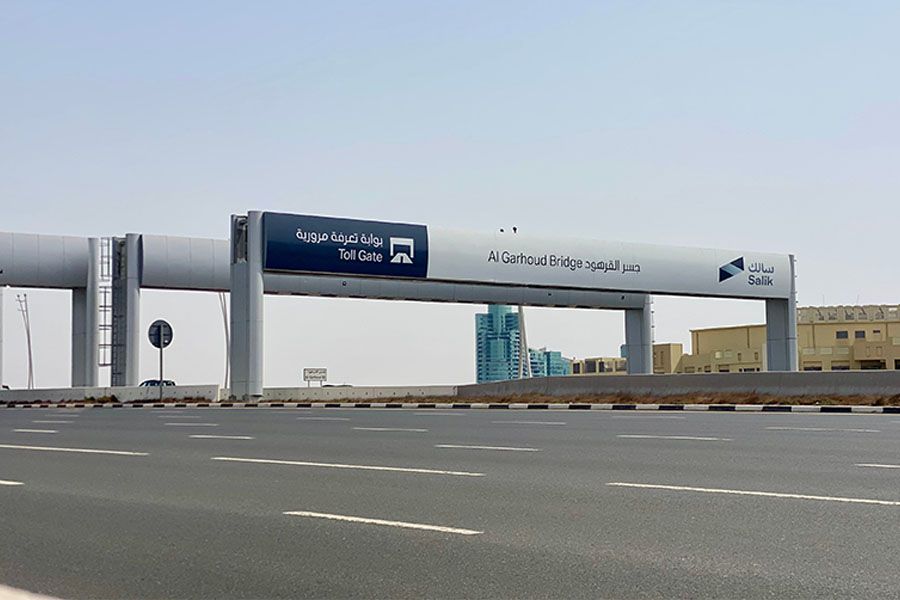
Evident by its name, this gate is located at the Al Garhoud Bridge, spanning Dubai Creek. It serves as a main crossing point between Deira (northern side) and Bur Dubai and other adjacent parts. As such, you can expect heavy flow, especially during rush hours.
Al Maktoum Bridge Gate
It is situated at the Al Maktoum Bridge, which is another key bridge over Dubai Creek. This gate caters to the traffic between the northern and southern/central parts. Bridge traffic, along with commuting traffic, makes this a busy gate, especially in peak hours.
Airport Tunnel Gate
This Salik gate is located near the tunnel and serves the traffic to/from the airport area (Dubai International Airport). It is a crucial point for airport staff, travellers, and logistics vehicles, and ensures tolls are collected from high-traffic airport routes.
Al Mamzar North Gate
The Al Mamzar North Gate is situated on the Al Ittihad Road (E11) heading toward Sharjah. It caters to the traffic coming from the northern Dubai and Sharjah direction. This gate is mostly used by commuters crossing the emirate borders and those who are travelling between Sharjah and central Dubai.
Al Mamzar South Gate
The Al Mamzar South Gate is also located on the Al Ittihad Road, but unlike its northern counterpart, it serves the traffic in the reverse direction (toward Dubai from Sharjah and northern suburbs).
Business Bay Crossing Gate
A relatively new gate, the Business Bay Crossing Gate is located on the crossing in the Business Bay area (on Al Khail Road / connecting major residential and business zones). This gate helps manage the traffic flow through one of the busiest mixed-use districts in all of Dubai.
Salik Gate Charges
Salik adopted a variable pricing structure rather than a fixed flat toll in 2025, introducing time-of-day-based charges (peak/off-peak/night free). This is a major shift aimed at smarter congestion management.
The fee policy of Salik has evolved over time. What was originally a flat toll, recent changes have introduced variable pricing depending on time of day. The new changes have been made with the idea of influencing driver behaviour and better managing congestion.
As traffic volumes increase, this system continues to generate substantial revenue for the transport infrastructure and maintenance budget of the city. These updates show how Salik is adapting to the rising car usage, expanding population, and evolving mobility needs of the emirate— by fine-tuning toll policies and expanding coverage.
Here is a breakdown of the charges and pricing structure of the Salik system and how it currently works.
- Off-peak hours or night hours (1:00 AM – 6:00 AM) – Free; no toll charged for any gate.
- Peak Hours in the morning (6:00 AM – 10:00 AM) - AED 6 per crossing (Monday-Saturday).
- Peak Hours in the evening (4:00 PM – 8:00 PM) - AED 6 per crossing (Monday-Saturday).
- Low-peak hours at daytime (10:00 AM – 4:00 PM) - AED 4 per crossing (Monday-Saturday).
- Low-peak hours during the evening (8:00 PM – 1:00 AM) - AED 4 per crossing (Monday-Saturday).
- Sundays (excluding special holidays/events) - Flat AED 4 all day (free from 1:00 AM – 6:00 AM).
During Ramadan, the peak hours are from 09:00 AM to 05:00 PM and are charged AED 6 from Monday to Saturday and AED 4 on Sunday. The low-peak hours during Ramadan are from 07:00 AM to 09:00 AM and 05:00 PM to 02:00 AM, and the charges remain AED 4 all seven days of the week. The off-peak hours during Ramadan are from 02:00 AM to 07:00 AM and are free of cost on all days of the week.
For a few of the paired gates (such as Al Mamzar North and Al Mamzar South, or Al Safa North and Al Safa South), there are some special rules in place. If you happen to pass both in the same direction within an hour, you are often charged only once. As such, this can save you toll fees when using routes that cross both gates consecutively.
In addition, keep in mind that there is no daily cap on toll charges. Each gate crossing, irrespective of frequency, incurs the applicable fee.
These adjustments have been incorporated to reflect a wider, long-term strategy - to spread out the load on the main road networks, discourage driving during peak traffic times, and incentivise off-peak travel or use of alternative routes and public transport.
Payment Methods for Salik in Dubai
Irrespective of whether you are a resident or a frequent visitor to Dubai, keeping your Salik account topped up is vital to avoid fines and ensure seamless travel. Thankfully, the system offers varied convenient payment methods to top up or recharge your Salik balance anytime, anywhere.
Salik Mobile App
Perhaps the most user-friendly and popular option among them is the Salik mobile app. Available on both iOS and Android, the app allows you to recharge instantly using your debit or credit card.
It also enables you to track toll usage, manage multiple vehicles, and check your balance on the go.
Salik Website
If you prefer accessing services through a web browser, the Salik website offers the same functionality with easy navigation.
To recharge your Salik account on the official website, start by logging in, going to the "Recharge" or "MyTag-Recharge" section, and choosing to pay with a credit card or a Salik recharge card number. You will need to enter your account or vehicle details, select the amount, and finish the payment process. You will be able to see the recharge instantly.
Apply Pay and Samsung Pay
You can also use Apple Pay or Samsung Pay through the app, providing a seamless, secure, and fast payment experience.
Banking Channels
There are options for you to recharge your Salik accounts through various banking channels. Most banks in the UAE, including major names like Emirates NBD (National Bank of Dubai), FAB (First Abu Dhabi Bank), and ADCB (Abu Dhabi Commercial Bank), provide quick top-ups through their digital banking platforms and mobile apps. You can even set up recurring payments to make sure your balance never runs low.
Kiosks
Salik also supports top-ups through self-service kiosks located across the emirate, making it extremely convenient for anyone without access to online platforms to recharge their Salik accounts. Furthermore, RTA Smart kiosks and customer happiness centres offer top-up services along with other Salik-related assistance.
Offline Methods
If you prefer offline methods, Salik recharge cards are widely available at petrol stations, supermarkets, and convenience stores. These cards come with a PIN code that you enter into the Salik app, website, or by SMS to add credit instantly.
With so many payment methods available, maintaining your Salik balance has never been easier. Choose the option that fits your lifestyle and enjoy worry-free driving across the city.
Things to Keep in Mind for Making the Most of the Salik System in Dubai
Judicious use of the Salik system can bode you immensely well. How can you do that? Follow these simple yet effective tips to make the most out of the Salik system in the city.
- Always ensure that your vehicle has a valid Salik tag if you plan to drive on major road networks, since tagless passage can result in hefty fines.
- Make sure that your Salik tag is properly installed. You need to place the tag on the inside of your windshield. Please ensure that it is not blocked by any stickers, tint, or metal coatings.
- If you drive frequently, especially through multiple gates, try and pay attention to the time of day. Peak hours will cost you more, but night travel (1:00 AM–6:00 AM) is toll-free.
- When routing, particularly for trips through zones with multiple gates (for instance, Al Mamzar North → South or Al Safa North → South), try and plan to pass both gates within an hour in the same direction to benefit from the “single-charge” rule.
- Always maintain sufficient balance in your Salik account to avoid fines. Recharge your account via the Salik app, website, kiosk, or bank apps.
- Budgeting for Salik is vital, especially if you commute regularly. Please remember that multiple crossings add up, and there is no daily cap.
To Conclude
Ever since Salik became operational in Dubai, it has massively transformed how traffic flows across the city. It has played a huge role in supporting infrastructure financing, making toll collection seamless, and encouraging smarter driving behaviour.
As time has passed, the Salik system has also expanded. From a handful of gates in the past to now a major network of ten, and from a simple flat toll fee to a dynamic, time-based pricing system. The Salik continues to evolve with the emirate, balancing between revenue generation, efficiency, and traffic management.
Whether you are a resident or visitor driving in Dubai, whether you are daily commuting or making occasional trips, or simply doing airport runs, knowing the Salik system and Salik gates is essential. Being aware of where the toll gates are, when charges apply, and how to avoid additional costs can make the difference between unexpected fines and a smooth ride. And we hope this guide has helped you in grabbing all the information you need for the same.
FAQs
How do I know which roads in Dubai have Salik gates?
You can find out which roads in Dubai have Salik gates by checking the official Salik website, which lists out all ten current toll gate locations. Furthermore, you can also use a navigation app that integrates Salik information or look out for the distinctive Salik gantry signs on major highways such as Sheikh Zayed Road, Al Khail Road, and Al Ittihad Road.
Do all Salik gates charge the toll 24x7?
No, not all Salik gates charge 24/7. The charging depends on the time of the day, and there are hours when you can pass the Salik gates without paying (or at a lower cost). During the hours of 1:00 AM to 6:00 AM, all Salik gates in Dubai can be passed free of cost.
What happens if I drive through a Salik gate without enough balance?
If you happen to drive through a Salik gate with insufficient balance in your Salik account, the system will create a violation against you that results in a penalty fee. You will be charged the toll fee as well as a penalty, and you are required to pay the amount within a specified timeframe to avoid further penalties.
What happens if my Salik tag falls off or stops working?
If your Salik tag falls off or stops working, you are responsible for immediately addressing the issue to avoid accumulating fines. If the tag is defective (such as incorrect removal, damaged due to heat, or a technical fault), you need to inform the Salik/the Salik Operator within 90 days of identifying the defect. Once verified, Salik will replace it at no extra charge. If the Salik tag falls off or stops working because of any other factors, you must purchase a new Salik tag immediately to replace the old one.
How do I check Salik violations and clear them?
You can check for Salik violations on the official Salik website or the Salik mobile app by logging into your account or checking with the plate number of your vehicle. To clear violations, you need to pay the fines directly through the website, app, or a Salik kiosk. If the violation is for a vehicle you no longer own, you need to submit a ticket through your online account to have it cleared.
Can tourists use Salik in rental cars?
Yes, tourists can use Salik in rental cars in Dubai. Rental cars in the city usually come pre-equipped with a working Salik tag. As such, tourists don’t need to buy their own tag or get registered. Whenever they drive through a Salik gate, the toll is automatically recorded and later billed to them by the rental company.
Is there a maximum daily Salik fee?
No, there is no maximum daily Salik fee as the toll is charged per trip through a gate. If you pass through the Salik gates multiple times per day, each crossing is charged separately.
Are electric vehicles exempt from Salik charges?
No, electric vehicles (EVs) are not exempt from Salik charges in Dubai. However, electric car owners can enjoy a free Salik tag upon registration of their vehicle.
Can I transfer my Salik tag to another vehicle?
No, you cannot transfer a Salik tag to another vehicle. These tags are permanently linked to a specific vehicle and account. Instead, you can remove the old vehicle from your Salik account and add the new vehicle to it.