
Why Invest in Dubai Real Estate in 2026? 5 Reasons Global Investors Are Choosing Dubai
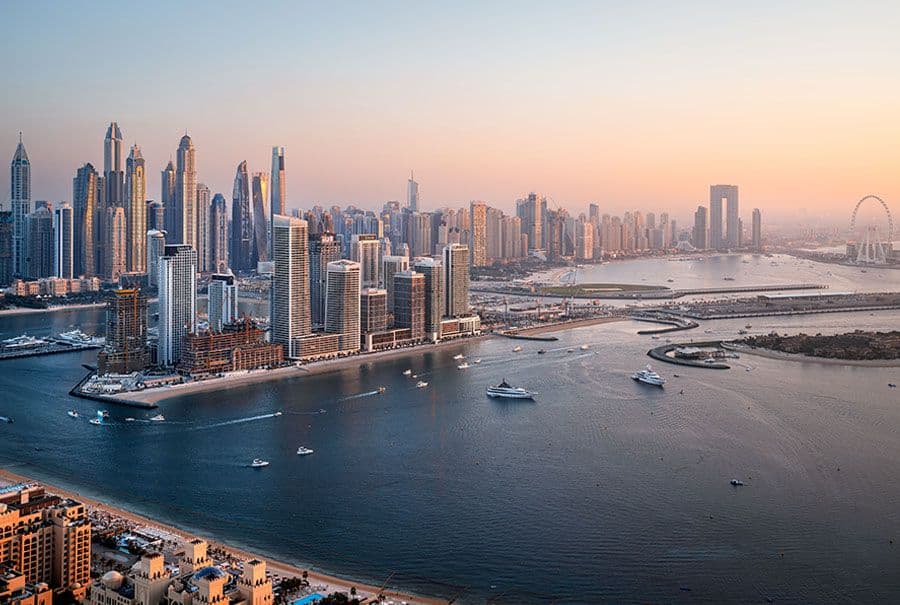
Dubai has spent the past few years turning many of the things global property investors look for into one compelling proposition: a growing international population, strong connectivity, an investor-friendly environment, long-term residency opportunities and an increasingly diverse real estate market.
In 2026, that proposition is attracting investors from across the world.
Dubai Land Department reported AED 252 billion in real estate transactions in the first quarter of 2026 alone, up 31% in value year-on-year. More tellingly, 29,312 new investors entered the market during the quarter, while foreign investment reached AED 148.35 billion (source: Dubai Land Department)
But the numbers are only part of the story.
What makes Dubai particularly interesting today is that its investment case is no longer built around a single advantage. Global accessibility, sustained demand for homes, investor-friendly regulation, residency benefits and a more sophisticated property market are all working together.
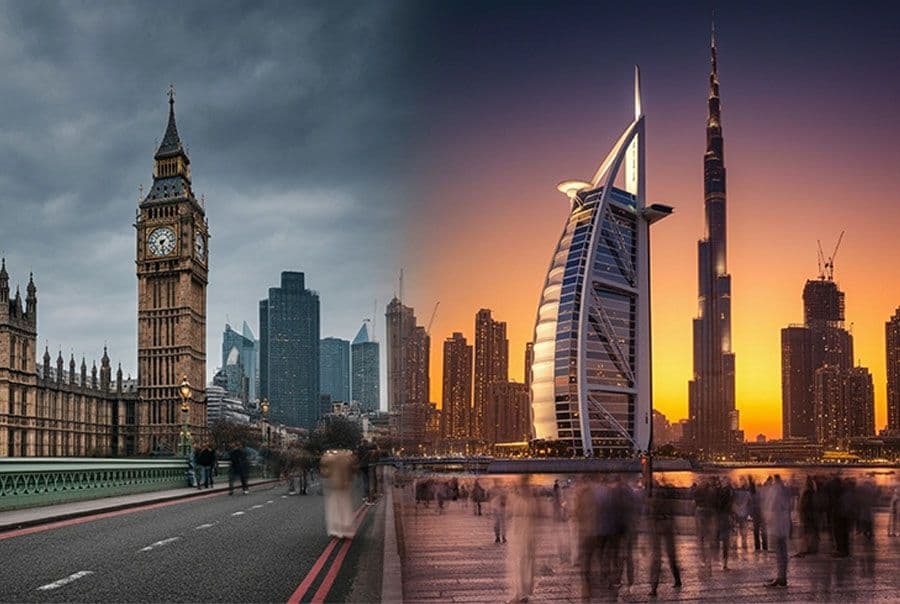
For investors accustomed to considering established global property markets such as London, New York, Singapore or Sydney, Dubai is increasingly becoming part of the same conversation.
So, why are global investors choosing Dubai real estate in 2026? Here are five reasons worth looking at.
1.Investment options in Dubai
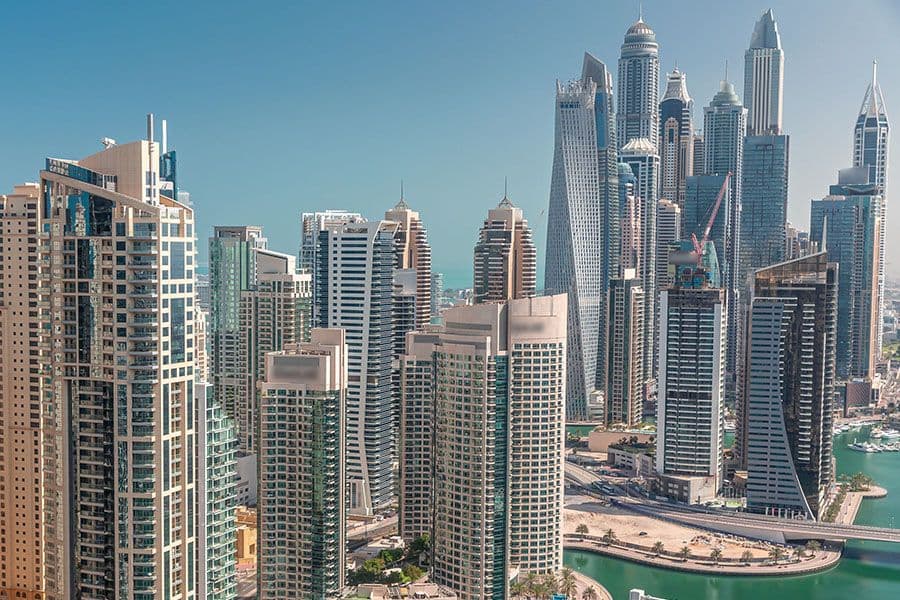
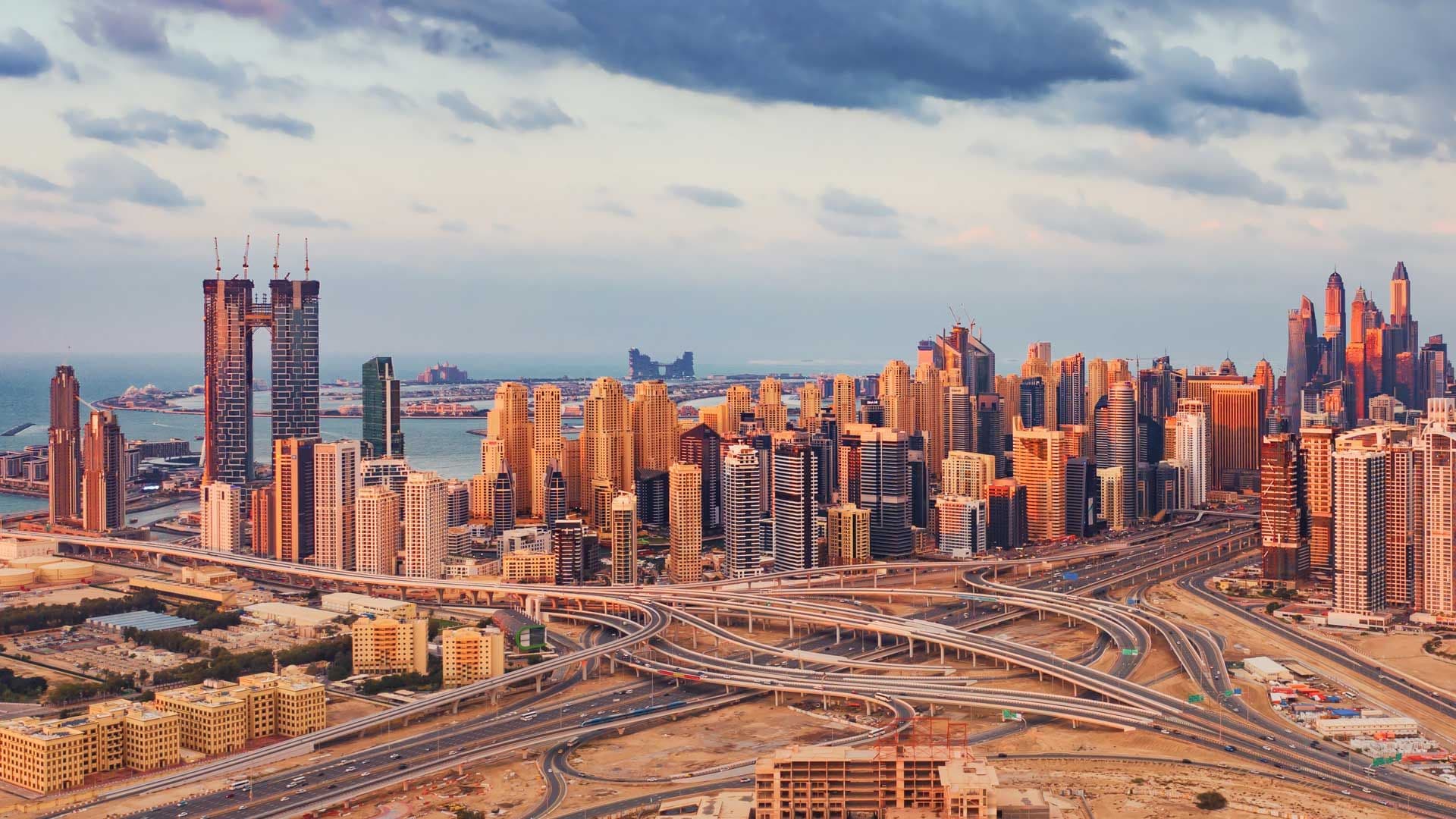
Dubai’s growing population is creating something every property investor looks for: sustained demand for places to live. The city continues to attract entrepreneurs, executives, families and professionals from around the world, many of whom are building longer-term lives in the UAE rather than treating it as a temporary stop.
That shift matters for real estate. A growing base of residents creates demand across both rental and ownership markets, particularly in well-connected communities with strong lifestyle, employment and infrastructure fundamentals.
You can see that demand filtering into the rental market. Dubai Land Department recorded 1.38 million tenancy contracts worth AED 126.4 billion in 2025, with contract value increasing 17% from the previous year (source: Dubai Land Department).
For a property investor, that matters.
A beautiful apartment is one thing. An apartment in a city where people actively want to live, work, and remain is another.
That underlying demand is what investors should really be looking at. The strongest real estate markets ultimately need people behind the numbers.
2. Your tenant, buyer or neighbour could come from almost anywhere
Dubai’s geography has always been an advantage. Its connectivity has turned that geography into an economic asset.
Dubai International welcomed a record 95.2 million passengers in 2025, the highest annual international passenger traffic ever recorded by any airport. It connects Dubai to 291 destinations through 108 international carriers (source: Dubai Airports)
This creates something unusual in real estate: an extraordinarily international pool of potential residents, tenants and future buyers.
A Dubai property is therefore rarely dependent on demand from one nationality or domestic economy. The city draws capital and residents from Europe, India, the wider GCC, Asia, Africa and beyond.
For global investors accustomed to diversifying their financial portfolios geographically, Dubai real estate can offer a similar logic through a physical asset.
3. The tax conversation is difficult to ignore
This is probably Dubai’s most repeated investment argument, but it remains relevant.
The UAE does not levy personal income tax on individuals.
For investors coming from markets where income and investment returns can carry significantly heavier personal tax burdens, that can materially change the economics of owning an asset.
However, glossy property brochures sometimes skip an important distinction: Dubai’s tax treatment does not automatically determine your tax liability in your home country.
An Australian, British or other overseas investor may still have reporting or tax obligations based on their tax residency. The smarter conversation is therefore about net returns after all relevant costs and obligations, rather than simply advertising something as “tax-free.”
Dubai’s advantage is compelling enough without oversimplifying it.
4. A property can become part of your relationship with the UAE
For some investors, the return is financial. For others, property is also a way to establish a longer-term base in the country.
Under the UAE’s current Golden Residency framework, qualifying real estate investors who own one or more properties with a total value of at least AED 2 million may qualify for long-term residency, subject to the programme’s requirements. Qualifying financed property through approved local banks and eligible off-plan purchases from approved developers may also qualify (source: UAE ICP).
That changes the psychology of the purchase.
An investor may begin by looking for an asset and eventually find themselves considering Dubai as a second base, a place for business, or somewhere their family could spend significantly more time.
Property is increasingly linked to mobility and optionality, two things internationally minded investors value.
5. Dubai real estate has grown up
Perhaps the most interesting reason to consider Dubai in 2026 is that the product itself has evolved.
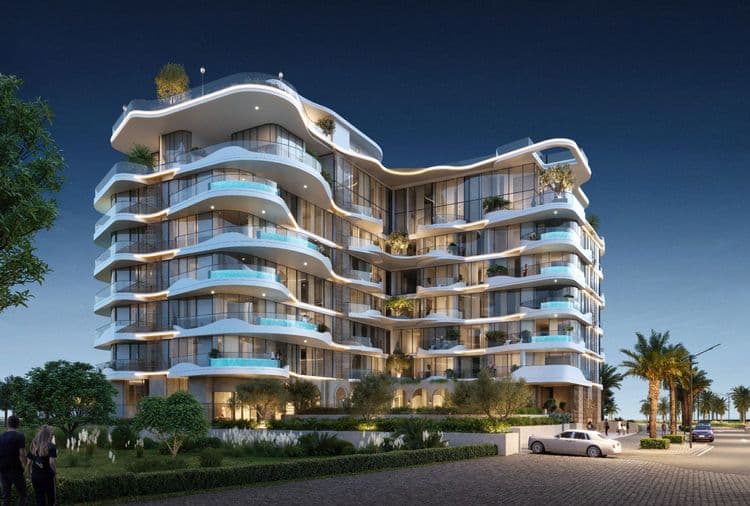
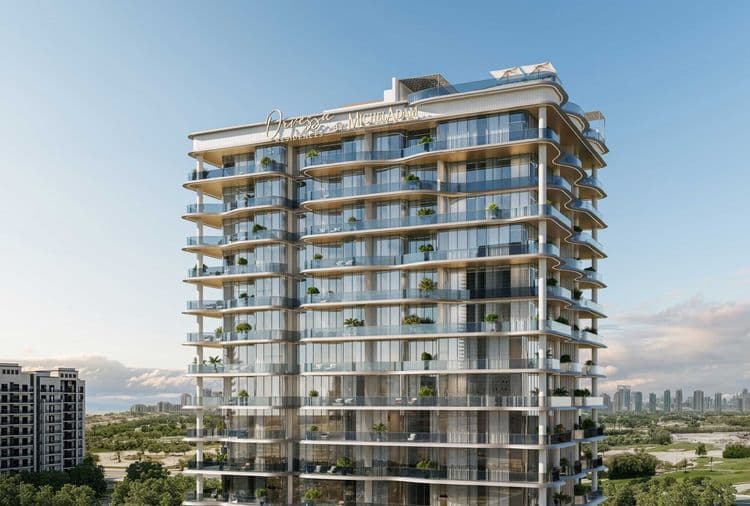
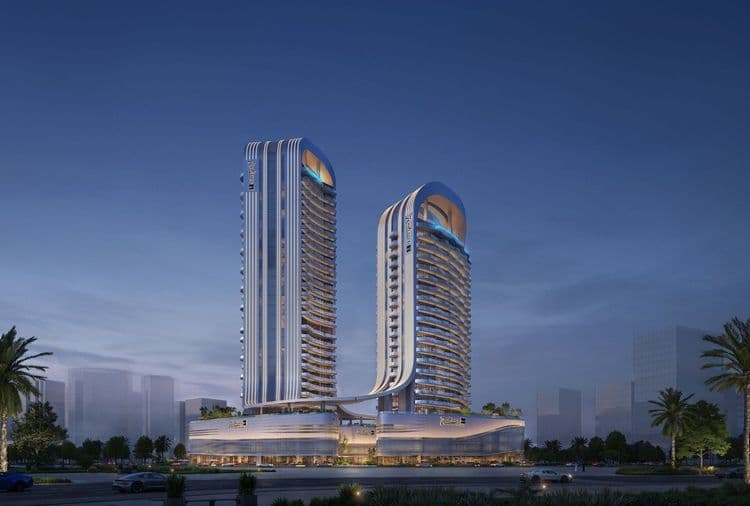
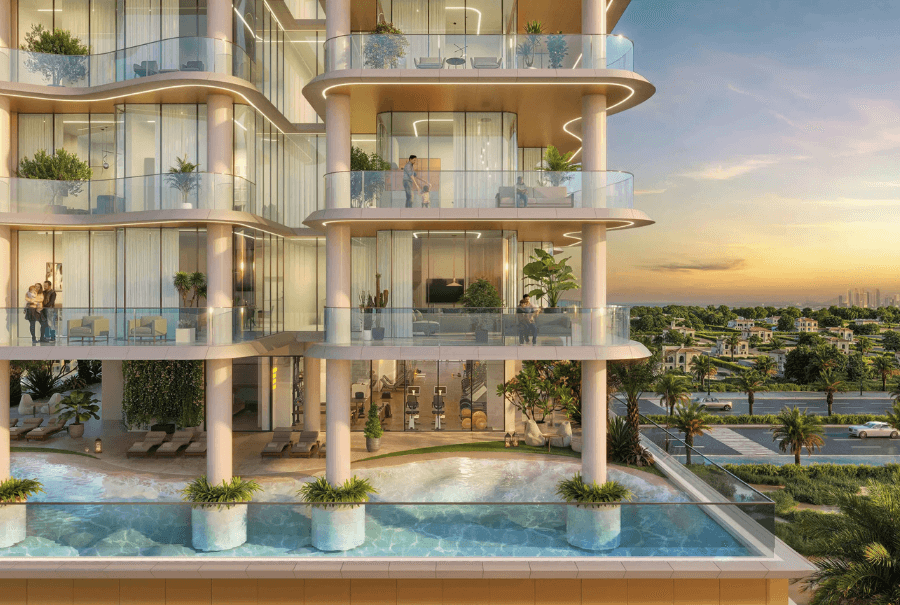
The market now stretches from accessible investment apartments to waterfront residences, integrated communities, branded residences and ultra-prime homes. Buyers are increasingly able to choose according to a genuine investment thesis rather than simply choosing “Dubai property.”
The regulatory environment has matured too. Dubai Land Department says the emirate has moved into the “Transparent” category of the Global Real Estate Transparency Index and now ranks 28th globally (source: Dubai Land Department).
That evolution is visible in investor behaviour. In Q1 2026, Dubai recorded 48,448 investors, an 8% year-on-year increase, while investment in luxury real estate reached AED 87.71 billion, up 26% (source: Dubai Land Department).
So, why to invest in Dubai real estate?
Yes, but perhaps not for the reason people think.
The story is no longer that Dubai is an undiscovered market where every property automatically delivers extraordinary returns. A market this global and this active demands more discernment.
The opportunity lies in choosing well: the right location, developer, entry price, payment structure, property type and long-term demand story.
That may be the biggest change of all.
In 2026, the question for global investors is becoming less about whether Dubai belongs in the conversation and much more about which part of Dubai belongs in their portfolio.