

UAE Property Laws Every Buyer and Investor Should Know

Home to some of the world's most sought-after real estate markets, the UAE attracts buyers and investors from far and wide. Although buying property can be relatively straightforward, understanding the laws and registration requirements that apply in each emirate is essential before entering a transaction.
Whether you are buying a waterfront apartment as your first home or considering an off-plan property for future rental or sale, you need to understand your legal rights and responsibilities. This can help you avoid costly mistakes, contractual disputes and unnecessary delays. Dubai remains one of the country’s largest property markets, while areas such as Ras Al Khaimah are also attracting greater buyer interest.
This guide explains the main legal points buyers need to understand before purchasing property in the UAE. It covers ownership rights, regulatory authorities, important documents, the responsibilities of each party and common legal mistakes. It also highlights where procedures may differ between Dubai and Ras Al Khaimah.
Why Does Understanding UAE Real Estate Laws Matter?
A property search often begins with the location, price, amenities and payment plan. These details matter, but buyers should also review the legal paperwork and ownership conditions before committing to a unit.
The UAE has legal and regulatory frameworks designed to protect the parties involved in property transactions. These frameworks cover areas such as ownership registration, contracts, broker and developer regulation, off-plan sales and the handling of buyers’ payments.
Property rules and registration procedures are not identical across the country. Requirements can vary depending on the emirate, property type, and ownership structure. A verbal promise should also not be treated as a substitute for a term written into the contract. Understanding these differences can reduce uncertainty, delays and unexpected costs.
A purchase in Dubai will not be registered through the same authority as one in Ras Al Khaimah. Check which local body handles the transaction and what paperwork it requires.
Ownership Laws in the UAE: Who Can Buy Property?
Property ownership rights in the UAE depend on the buyer’s nationality, the emirate, and the property's location. UAE nationals generally have the broadest ownership rights. GCC nationals may also have wider rights than other foreign buyers, although the rules differ between emirates. Foreign nationals can purchase freehold property in areas approved for foreign ownership.
Freehold and leasehold are two common forms of property ownership. Freehold gives the buyer permanent ownership of the property and the associated interest recorded in the title deed. Leasehold gives the buyer the right to use the property for a fixed period under the terms of the lease. Other property interests may also be available, depending on the emirate and development.
Foreign buyers in Dubai are limited to designated freehold areas. On the other hand, Ras Al Khaimah has its own approved locations for foreign ownership and follows a separate registration process. Check the individual property’s ownership status before you sign anything or pay a deposit.
The Authorities That Regulate Real Estate in the UAE
Property registration and regulation are handled by different authorities in each emirate. These bodies maintain ownership records, register transactions and oversee parts of the property market within their jurisdiction.
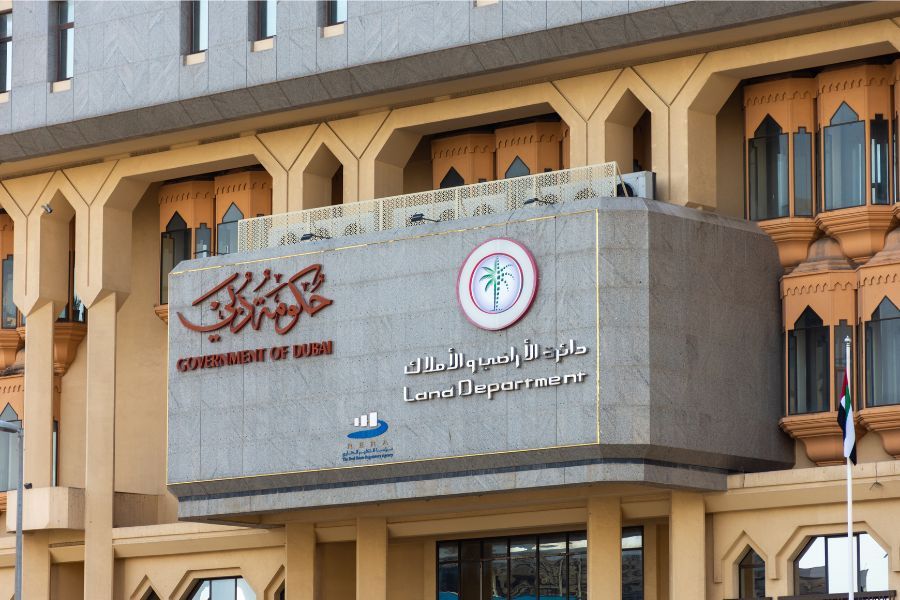
In Dubai, the Dubai Land Department (DLD) handles property registration, ownership records and title deeds. The Real Estate Regulatory Agency (RERA) oversees areas such as developer and broker regulation, off-plan projects and escrow accounts.
In Ras Al Khaimah, the Municipality’s Lands and Properties Sector handles property documentation, registration and related land services. Marjan has a different role. As the master developer of Al Marjan Island, it manages the planning and development of that destination rather than regulating property transactions across the emirate.
Key Legal Documents Every Buyer Should Understand
Buying a property involves more than signing one contract. Different documents appear at the reservation, payment, and ownership transfer stages. Read each one carefully and check that the property details, amounts and deadlines match what was agreed.
Reservation Agreement
A reservation agreement is often signed when a buyer selects a unit and pays a booking amount. Do not treat it as routine paperwork.
The agreement should identify the property, reservation amount, purchase price, payment deadline and refund conditions. You must also check what happens to the booking amount if either party decides not to proceed.
Sale and Purchase Agreement (SPA)
The SPA is the primary legal contract binding the buyer to the seller or developer. It defines the rights and responsibilities of all the parties involved and sets the legal terms of the transaction. Any unclear point should be resolved before the agreement is signed.
The SPA should match the unit you agreed to purchase and the price you agreed to pay. It should also state the payment schedule and the expected handover date. Furthermore, it will include what happens if the buyer, seller, or developer fails to meet the agreed-upon terms.
Title Deed
Once the purchase has been registered, the relevant land authority issues the title deed in the new owner’s name. This document records who legally owns the property, the property details, and the registered ownership interest. Keep it safely, as it may be required for a future sale, mortgage or inheritance matter.
Escrow Account
Escrow accounts are used for registered off-plan developments. Buyers pay into the project’s designated account rather than transferring funds to an unverified personal or company account.
Money is disbursed from the account in accordance with the applicable regulations, the escrow agreement, and verified progress of the development. Before making a payment, check that the account details belong to the project you are buying into.
No Objection Certificate (NOC)
A No Objection Certificate (NOC) is required when reselling a property. It is generally issued by the developer and outlines that there are no objections to the transfer of ownership of the property. It also states that all outstanding debts and disputes have been settled.
Without it, the transfer of ownership can’t be completed. Therefore, buyers must verify who is responsible for obtaining the NOC from outside the transactional process. It is the single most important document that allows the relevant land authorities to greenlight the ownership transfer process.

Legal Responsibilities of Buyers, Sellers and Developers
A real estate deal requires every party to fulfil their designated responsibilities on time. Clarifying who is responsible for which task at each stage helps avoid delays, minimise unnecessary costs, and ensure the transaction is completed quickly and without disruptions.
Buyer's Responsibilities
A buyer must check the credentials of the developer or seller they are purchasing the property from. Seeking assistance from a legal professional to understand the SPA’s terms and conditions is also advisable.
They must pay in due time and initiate the transfer of ownership of the process. This requires them to complete the registration process with the concerned authorities. Besides, they must conduct a property valuation to verify if the listed price matches the property’s market value.
Seller's Responsibilities
Sellers need to be accurate with the information they provide about their property specifications. They should disclose any outstanding mortgage, service charge, dispute or restriction that could affect the sale.
Where an NOC or other clearance is required, the seller will normally need to obtain it before the ownership transfer can be completed. The seller must also provide the documents and signatures required by the relevant registration authority of each emirate.
Developer Responsibilities
A developer selling off-plan property must comply with the project registration and escrow requirements applicable in the relevant emirate. Money held in the project account must be handled and disbursed for approved purposes.
The finished property should match the specifications and terms recorded in the SPA. Buyers should also be informed of material changes to the project, its specifications, or the expected construction schedule. Charges payable by the buyer should be disclosed in the contract or supporting transaction documents.
Buying Off-plan vs Ready Property: Legal Differences
There are two types of properties, depending on their stage of completion at the time of sale - off-plan and ready properties. Off-plan properties are those that have yet to be completed, while ready properties are available for immediate occupancy.
Both these types of properties follow the same legal principles. However, there are some stark differences between them that buyers must understand before finalising any deal. This table outlines the differences and the legal processes for each property type.
| Legal Aspect | Off-plan Property | Ready Property |
| Registration | The property is registered with the relevant land authority during construction. Once construction is completed, ownership is fully transferred. | Once the sale is completed, ownership is immediately transferred, followed by the issuance of the title deed. |
| Escrow Protection | Payments are deposited in a regulated escrow account to safeguard the buyer’s funds and are released to the developer as per construction milestones. | Escrow protection doesn’t apply here since the construction is already completed. |
| Handover | The property is handed over after construction and inspection are finished. | The property is immediately handed over upon transfer of ownership. |
| Defect Liability | Buyers are generally protected with a defect liability period post-handover. Developers are required to fix quality construction defects. | Buyers must thoroughly inspect the property before purchase, as the seller’s obligations are limited to what is stated in the SPA. |
Understanding these little yet effective differences can help buyers prepare for what is to come. Based on their preferences, they can make a sound decision about which type of property to choose.
Common Legal Mistakes Buyers Should Avoid
Even the most veteran property investors can run into trouble by overlooking some common legal aspects during the property ownership journey. To help you avoid them, here are some of the most common legal mistakes that buyers often make and how you can avoid them.
Assuming Every Property is Freehold
This is directed to all foreign buyers. Not all properties are freehold. Foreign buyers must verify the ownership type and ensure the area they are scouting is within the freehold range.

Signing the SPA Without Reviewing It
The SPA is the legally binding contract for the property. Take as much time as you need to read every single clause related to the handover date, cancellation policy, payment schedule, etc., before signing it.
Finalising a Deal Without Verifying Details
Make sure the property you are purchasing has obtained the necessary formal approvals from relevant authorities and is officially registered. Double-check and triple-check your sources to ensure there is no fraudulent activity. Furthermore, make sure to do a thorough property inspection before taking possession.
Overlooking Hidden Charges
Most first-time property buyers often ignore the many hidden charges involved in the property ownership process. Don’t just consider the listed price of the property. There are other charges, such as registration fees, maintenance costs, service fees, etc., that can disrupt your budget later.
Relying on Verbal Agreements
Any agreements made by the seller, agent, or developer are not valid unless in writing. Verbal assurances account for nothing in the buying process.
Skipping a Legal Consultation
No matter how well-versed you may be with the UAE real estate laws, you can’t skip hiring a legal consultant. They will help you identify unclear areas and help you navigate the process smoothly.
To Conclude
Property rules in Dubai, Ras Al Khaimah and the wider UAE are not identical. The authority, ownership options, and registration steps will depend on where and what you are buying.
Check the property’s ownership status, read every agreement and keep a record of all payments and written commitments. If a clause or legal requirement is unclear, resolve it before signing or transferring money.
FAQs
Can foreigners own property anywhere in the UAE?
No, foreigners can only own properties in designated freehold areas in the UAE. These are the areas where they can exercise their ownership rights under UAE laws for foreigners.
Is a Sale and Purchase Agreement (SPA) legally binding?
Yes, the SPA is a legally binding document. Buyers need to review it carefully and seek legal help, if necessary, to understand the nuances of each clause. This will help avoid mistakes in the long run.
Why is an escrow account important when buying an off-plan property?
An escrow account is extremely important when buying an off-plan property because it helps safeguard buyers' financial health. It deposits buyers' payments into a regulated account and releases them to the developers at construction milestones. This ensures that the buyer’s funds are used solely for construction.
When do I receive the title deed for my property?
Once the property registration and transfer of ownership process is completed, you will receive the title deed from the relevant authorities. You can use this document as proof of your legal ownership of the property.
Should I have property documents reviewed before signing them?
Yes, having a certified legal professional review the contract helps you identify fraudulent activity and any clauses or terms that may not work in your favour in the future.