

Mistakes of First-time Property Buyers & How to Avoid Them
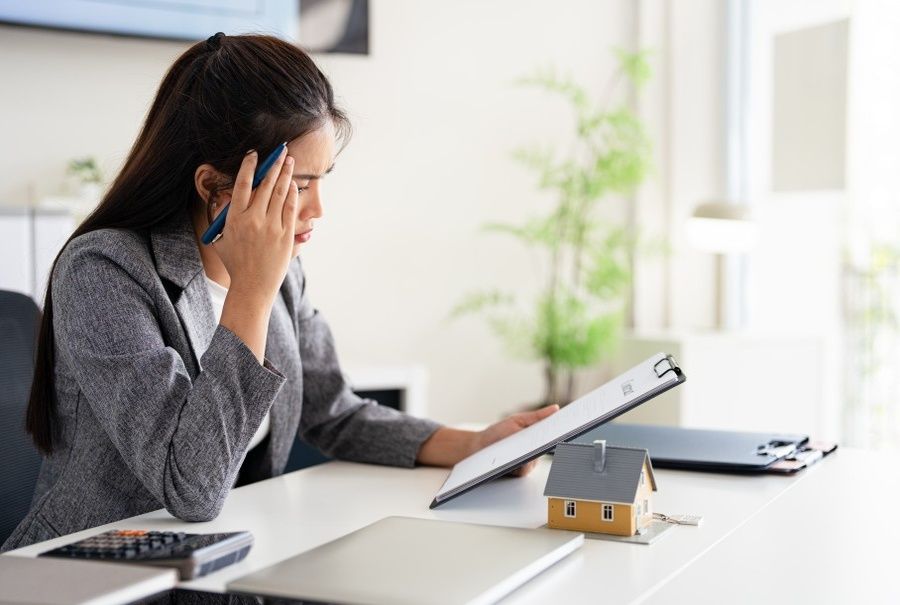
Buying your first home is always special and one that will be a defining moment of your life. It is one of the most exciting yet often overwhelming experiences of your life. This milestone is not just significant financially but emotionally as well. After all, you are not just purchasing a place to live but are investing in your stability, peace of mind, and overall future.
But between all the excitement, it is not lost upon us that it is extremely easy and common to make avoidable mistakes - mistakes that could cost you precious time, money, and a whole lot of energy.
The real estate market in Dubai is undoubtedly one of the most dynamic across the world, attracting homeowners and investors with its luxurious properties, modern infrastructure, and profitable opportunities. Tax-free returns, high rental yields, and an urban lifestyle that blends opportunity with opulence; it is hard not to be tempted.
However, the process of property purchase comes with its own set of obstacles. This is especially true for first-time property buyers, as certain pitfalls can turn an exciting experience into a frustrating ordeal. Understanding these mistakes when investing in a property in the city will help you navigate the process more confidently and help you make a sound investment.
Remember, not every investor gets it right the first time with their first purchase. With every success story, there is someone who ignored the fine print or rushed into the wrong deal.
If you are thinking of investing in a Dubai property soon, getting clarity on what not to do is just as vital as knowing what to do. This blog will serve as a guide for you to avoid the most common mistakes first-time property buyers make in Dubai—and how you can effectively avoid them.
Common Mistakes to Avoid When Buying Property in Dubai
Buying your first property in Dubai can be full of unexpected foot races without the right preparation. For novice buyers, awareness is the greatest buffer. Here, we are providing you with essential property buying tips in Dubai, which will help you identify and avoid common property investment errors.
Failing to Calculate the True Cost of Purchase
The Mistake
Most first-time property buyers assume that the price tag listed on the property is the full amount they will need to pay. Unfortunately, that is seldom the case. Focusing only on the property's listed price and making your decision based on it while ignoring hidden and upfront fees can lead you to a road of disappointment.
In your pursuit of buying properties in Dubai, you may have to incur a bunch of additional costs, such as the Dubai Land Department (DLD) fees, which is typically 4% of the property value, agency fees (if applicable), trustee registration fees, and No-objection Certificate (NOC) fees, among others.
The Solution
Try and create a clear budget checklist that includes all the above costs. At BNW Developments, we offer consultancy services that can help you get transparent cost breakdowns for your property purchases in Dubai as well as Ras Al-Khaimah.
Skipping the Escrow Account Verification
The Mistake
Transferring payments directly to the personal account of the developer or the current account of the company you are buying the property from, instead of a registered Escrow account, can be a devastating mistake.
An escrow account is essentially a third-party account audited by the Real Estate Regulatory Agency (RERA) to ensure funds are used only for construction. Without it, your funds are at risk in the event the project stalls.
These accounts are created to protect buyers and ensure security and transparency in real estate transactions, especially for off-plan projects. They serve as a neutral third-party holding your funds, which are only transferred to the developer after the completion of specific construction milestones. As such, it safeguards your investment and makes sure the project is completed as promised.
The Solution
Never fail to ask for the project’s Escrow account number and verify it via the DLD app. At BNW Developments, we strictly adhere to RERA escrow regulations. When buying properties from us, you will get all the necessary escrow account information you need for your peace of mind.
Overlooking the Importance of Location & Connectivity
The Mistake
Buying the cheapest available property without considering future development, infrastructure, or rental demand of the area you are investing in is not a smart decision for your future prospects. Not researching the reputation of the community and its accessibility to other major hubs of the city can be extremely inconvenient in the long run.
Remember, even if the region may seem strong, every area performs differently. While some areas attract families, others attract corporate tenants or short-term renters. In the same line of thought, some areas appreciate faster, while others are more stable.
If presented with a luxury property, many fail to check the accessibility to healthcare facilities, educational centres, and public transport. If you are purchasing the property for renting it or reselling it, paying a higher price for areas with high Return on Investments (ROIs) is actually a good deal.
The Solution
Research the ‘Master Plan’ of the community. Consider lifestyle needs like proximity to work, schools, and amenities when picking a neighbourhood if you plan to live in the property. In case you are investing it for rental or resale, focus on areas with high demand to maximise your returns. Give preference to prominent areas such as Jumeirah Village Circle (JVC), Jumeirah Beach Residence (JBR), Palm Jumeirah, Downtown Dubai, and Business Bay, among others.
Misunderstanding Off-plan Payment Plans
The Mistake
When investing in an off-plan property in Dubai, committing to a payment plan without evaluating personal cash flow for the next 2-4 years is not lucrative. A key point to keep in mind here is that defaulting on payments can make you vulnerable to penalties, and it can even lead to contract cancellation.
Don’t let this fear stop you from investing in off-plan properties, though. The benefit of off-plan properties is that you can book the unit with a small down payment, thereby easing the financial burden on you. This comes in handy for first-time buyers or those who can’t afford to make a large sum of payment at one go.
In Dubai, the two most popular payment plans for off-plan properties are "During Construction” and "Post-Handover". Agreeing to a plan before assessing your own financial capabilities is a mistake that will heavily cost you. Let us explain these two payment plans to you.
In the former, you make payments in instalments while the property is being constructed, and it is usually tied to construction milestones. In the latter, you pay a small part during the construction stage, and a large portion (often 40–60%) after the property is handed over to you, over 2–8 years, depending on the developer.
The Solution
Select a developer who offers flexible payment structures. Ask for the blueprint of the payment plan in your first meeting before agreeing to anything, and you can then make your decision accordingly.
Not Reading the SPA (Sales and Purchase Agreement) Thoroughly
The Mistake
Signing the Sales and Purchase Agreement (SPA) or the contract immediately without reviewing the fine print is not wise. The idea here is not just to buy the property, but to buy it securely.
Some investors fail to do due diligence, misunderstand ownership laws, and sign contracts too quickly. For instance, freehold and leasehold zones operate differently, and missing small legal details, such as Oqood registration for off-plan projects or payment schedules, can cause unnecessary headaches.
Some of the key clauses to watch are as follows:
- Handover Date & Grace Period: What happens if the project is delayed?
- Oqood Registration: Is the property registered in the interim registry?
- Cancellation Policy: What are the terms for a refund if you, as a buyer, back out?
The Solution
Seek legal counsel to get rigorous clarification on the SPA. Never shy away from asking questions. There is nothing called asking too many questions. After all, this is your hard-earned money. At the same time, buy properties from reliable developers. At BNW Development, we help you navigate the legal processes of SPA step-by-step, making sure you are legally protected from the beginning to the end.
Ignoring the Developer’s Track Record
The Mistake
Purchasing a property in Dubai from an unknown or new developer without checking their credentials or delivery history can set you up for failure. Despite the booming real estate industry of the city, there are many developers whom you cannot count on.
Reputed developers are more likely to complete projects on time and deliver the quality they promised. Unreliable developers, on the other hand, may delay handover dates and deliver lower-than-promised finishes.
The Solution
Before signing anything, you need to thoroughly research the developer. Look out for how many projects they have completed, whether they were delivered on time or not, and what previous investors say about them in testimonials. Additionally, verify their status with the DLD. Make sure to confirm that the developer you are purchasing the property from is registered with RERA and has an escrow account.
Attempting a Purchase Without Professional Help

The Mistake
Navigating the negotiations, legalities, and DLD transfers alone to save on commission can seem profitable at first, but can soon lead to major pitfalls. There are certain aspects of the market that you cannot just be knowledgeable about by browsing the internet.
Taking external help is handier than most people think. They will ensure your money goes in the right direction. The "right" investment is about more than just the property; it is about the partner you choose.
The truth of the matter is that RERA-certified real estate agents and developer consultants know what they are doing. They have their finger on the market pulse, and are updated with legal changes and other allied aspects such as escrow accounts, Golden Visa eligibility rules, and mortgage availability, among others. Their knowledge will help you make pragmatic decisions.
The Solution
Having a trusted expert advisor is not an additional avoidable expense; it is an investment safeguard. Try and hire an authorised agent or get in touch with the sales team of the developer to ensure a smooth transaction.
To Conclude
Purchasing your first home does not have to be stressful. It is one of the most rewarding moments of your life, and it can only happen when you avoid these aforementioned mistakes. Make sure you are protecting your finances, making informed decisions, and securing a deal you will love for years to come.
Please note that this is more than a mere transaction; it is a life-changing milestone. With the right mindset, tools, and guidance, you can be on your way to making your first home purchase a profitable investment and a seamless, joyous experience.
We specialise in helping first-time and novice buyers navigate and acclimate to the real estate market of Dubai. Irrespective of whether you are an Emirati or an international investor. Feel free to reach out to our distinguished team, who are here to help you every step of the way.
FAQs
What are the extra costs when buying property in Dubai?
Beyond the property price, buyers must pay a 4% DLD registration fee, trustee fees (approx. AED 4,000), and agency fees (usually 2%) if using a broker. Some developers may cover the DLD fee as a promotional offer.
Is it safe to buy off-plan property in Dubai?
Yes, it is safe to buy off-plan properties in Dubai due to RERA regulations. Your payments are deposited into a regulated escrow account, ensuring funds are used solely for construction. Make sure to verify the status of the project with the DLD before investing.
Why should I invest in Ras Al Khaimah versus Dubai?
In the debate between the Dubai vs Ras Al Khaimah real estate markets, here is what you need to keep in mind. While Dubai offers a mature, high-volume market, Ras Al-Khaimah-specifically Al Marjan Island - is an emerging hotspot offering lower entry prices and high capital appreciation potential, driven by upcoming mega-tourism projects and resorts.
What happens if I cannot keep up with my off-plan payment instalments?
Defaulting on payments is a breach of the SPA. Developers may have the right to cancel the contract and retain a portion of the paid amount, depending on the completion stage. It is pivotal to discuss payment flexibility with your developer before signing any contract.
Can foreigners buy property in Dubai and Ras Al Khaimah?
Absolutely. Foreigners can buy property in Dubai and Ras Al Khaimah in freehold areas, granting them full ownership rights. The freehold areas are where non-UAE nationals can purchase properties without any restrictions.
Can buying a property get me a UAE residency visa?
Yes, buying properties in the UAE can make you eligible for residency visas as long your purchase is of a set amount.
Investing a minimum of AED 750,000 in a property can make you eligible for a 2-year renewable investor visa. Investing AED 2 million or more grants you eligibility for the 10-year UAE Golden Visa, which includes sponsorship for your family.
Do I need a lawyer to buy property in Dubai?
While not mandatory, it is highly recommended to have a legal expert or a RERA-qualified real estate agent review the SPA and Memorandum of Understanding (MOU) to ensure your rights are protected and you understand all clauses regarding cancellations and handovers.