
Best Cities to Invest in Real Estate in 2026
Property investors have always followed opportunity, but the map looks increasingly interesting in 2026. A waterfront apartment in Dubai, a residential property in Manchester and a family home in Melbourne may serve entirely different investment strategies. Yet each attracts buyers for familiar reasons: employment opportunities, housing demand, infrastructure, and the potential for long-term value.
The challenge is separating a city's impressive headlines from an individual property's fundamentals. For investors researching the best cities to invest in real estate, the strongest starting point is understanding where demand comes from, how much ownership costs and what could influence returns over time.
Here are ten international property markets worth examining in 2026, from established global investment centres such as London and New York to emerging destinations such as Ras Al Khaimah. Each offers a distinct combination of opportunities, costs and market dynamics.
Best Cities for Property Investment: At a Glance
| City | Principal Investment Appeal | Property Types to Explore |
| London, UK | Global financial centre, international buyer demand and established rental market | Prime apartments, residential flats, family homes |
| New York, USA | Deep residential market, major employment centres and long-term housing demand | Condominiums, co-operatives, multifamily properties |
| Dubai, UAE | International demand and a diverse rental market | Apartments, villas, branded residences |
| Ras Al Khaimah, UAE | Tourism-led growth, expanding waterfront development and the anticipated opening of Wynn Al Marjan Island | Coastal apartments, branded residences |
| Miami, USA | International investment appeal, lifestyle demand and waterfront property | Waterfront condominiums, luxury apartments, single-family homes |
| Melbourne, Australia | Large residential market and diverse tenant demand | Apartments, townhouses, family homes |
| Singapore | Financial-centre appeal, limited land availability and established housing market | Private condominiums, apartments, landed homes |
| Manchester, UK | Established rental demand and regional employment | City apartments, suburban homes |
| Austin, USA | Technology-sector presence and suburban housing | Single-family homes, townhouses |
| Tokyo, Japan | Large metropolitan economy, established rental demand and extensive transport infrastructure | City apartments, residential buildings, condominiums |
These cities are presented in an indicative order based on their international market prominence and investment relevance, rather than as a verified ranking of expected returns.
London, UK: A Global Property Investment Centre
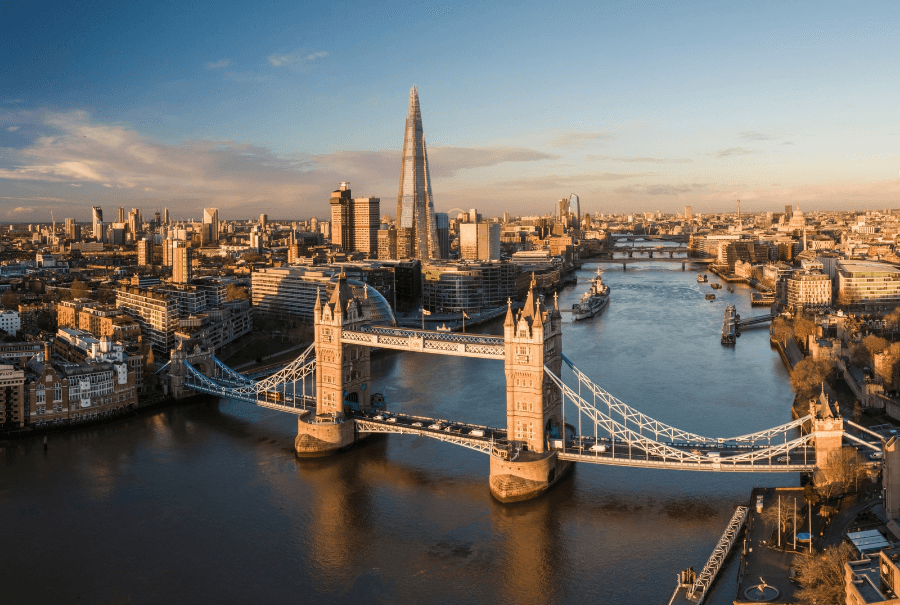
London remains one of the world's most established property markets, supported by its position as an international financial centre, extensive transport network and diverse employment opportunities.
Its residential market serves a broad mix of professionals, families, students and international buyers. Prime central London properties attract a different investor profile than rental apartments in outer boroughs, where affordability and transport connectivity often drive tenant demand.
Investors should consider acquisition costs, stamp duty, rental regulations and property maintenance expenses. London's global appeal is significant, but individual returns depend on purchase price, location and the property's ability to generate sustainable rental income.
New York, USA: A Deep and Diverse Residential Market
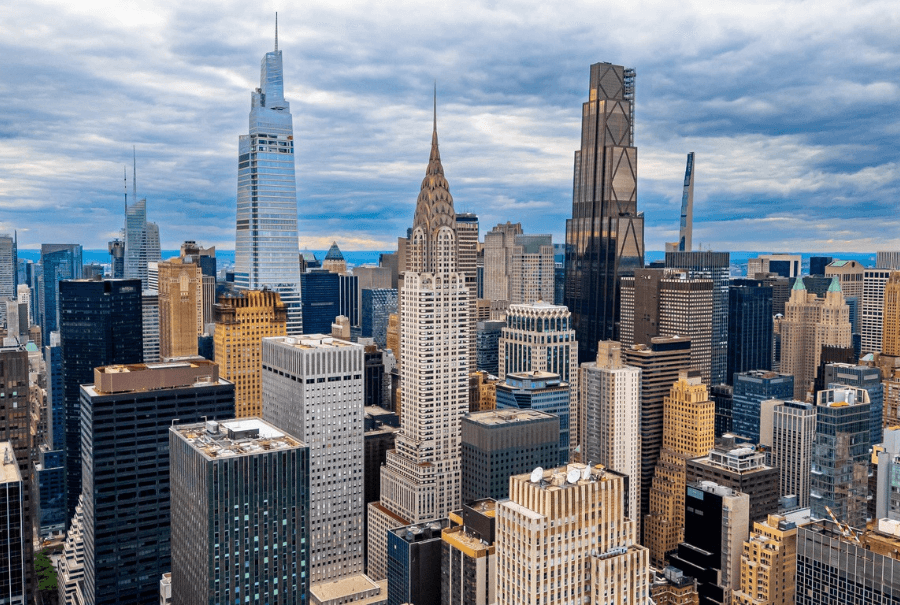
New York combines a major international business centre with an extensive residential rental market. Its employment base, universities and established neighbourhoods contribute to housing demand across different property segments.
Manhattan offers exposure to a globally recognised urban market, while Brooklyn and Queens provide different opportunities across apartments, condominiums and multifamily housing.
However, investors must account for property taxes, building charges, maintenance costs and local rental regulations. The distinction between condominiums and co-operative apartments is particularly important, as ownership structures and leasing restrictions can differ.
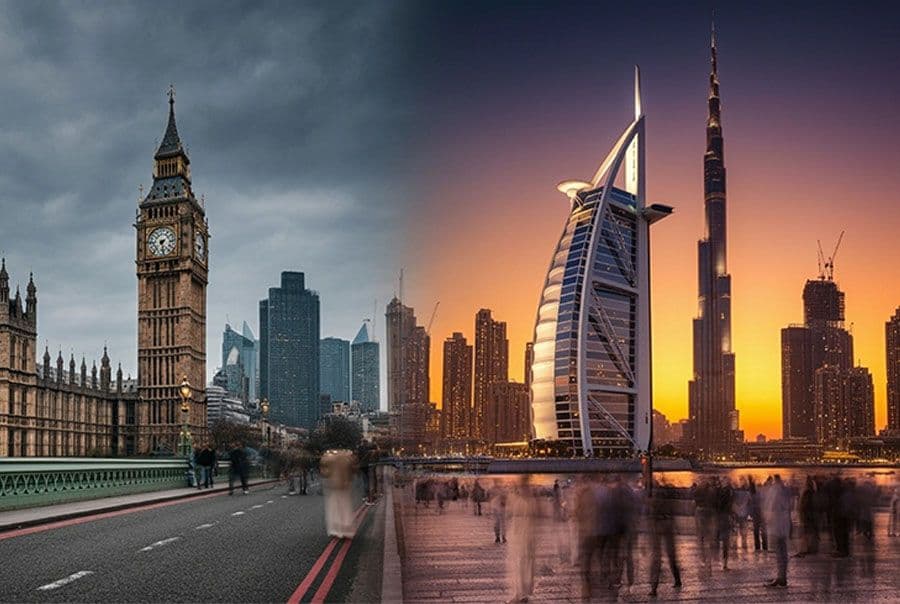
Dubai, UAE: An Established International Property Market
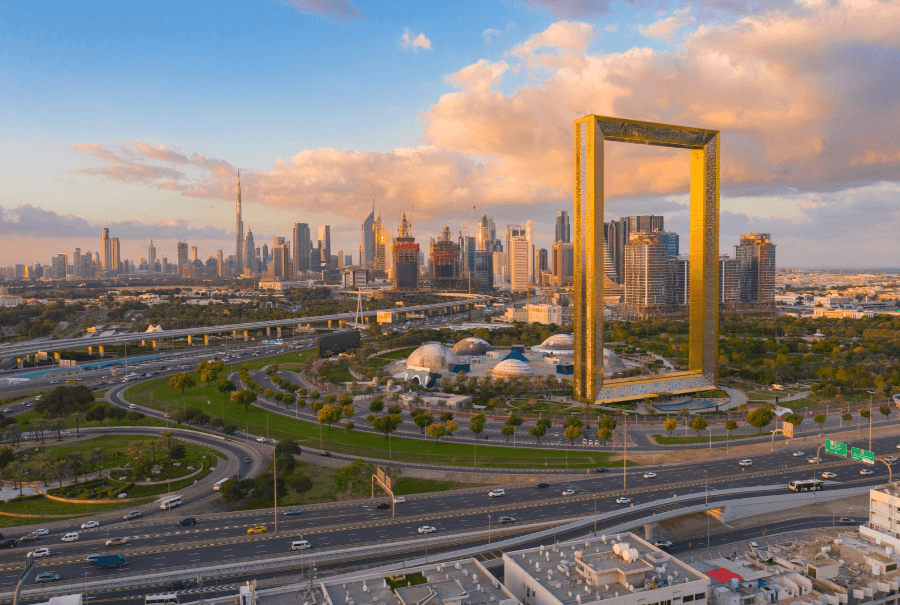
Dubai remains a prominent destination for overseas property investors.
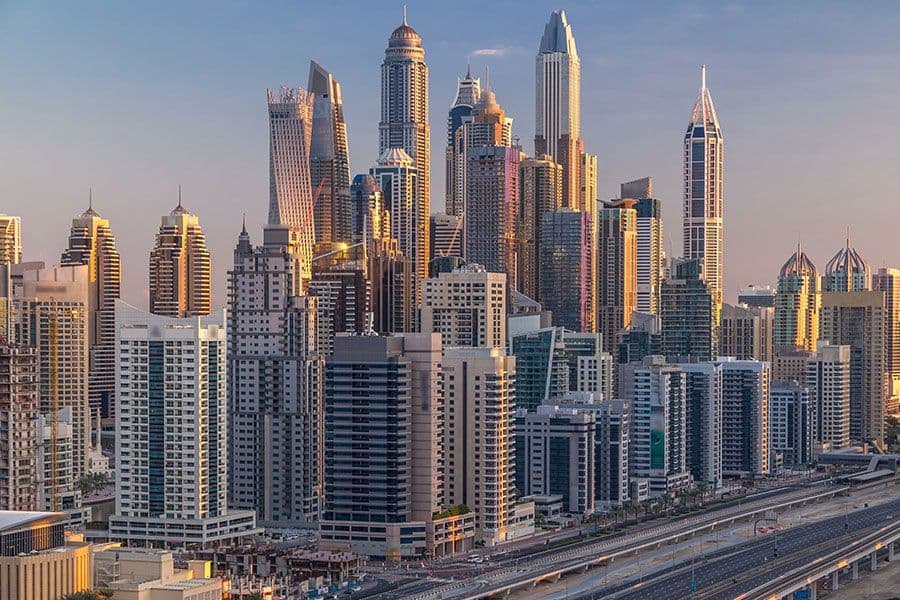
Its appeal extends beyond its skyline. The emirate combines international business activity, extensive transport infrastructure, and residential communities that serve professionals, families, and international buyers.
According to Dubai Land Department, real estate transactions reached AED 252 billion in the first quarter of 2026, an increase of 31% in value compared with the same period in 2025. (Source: Dubai Land Department, April 2026)
For rental-focused investors, neighbourhood selection is especially important.
Dubai Marina appeals to tenants seeking waterfront living, while Business Bay offers proximity to commercial districts. Established suburban communities attract households looking for larger homes and family amenities.
Investors should examine rental transactions, service charges and upcoming supply at neighbourhood level before purchasing.
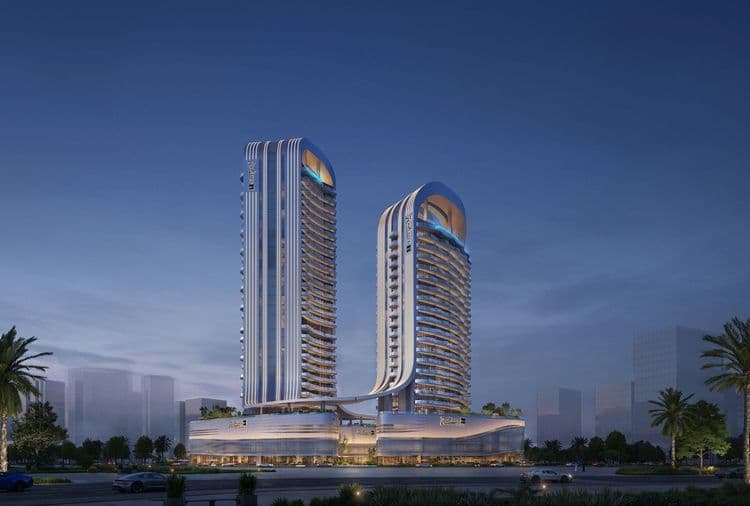
Ras Al Khaimah, UAE: A Coastal Market Gaining Attention
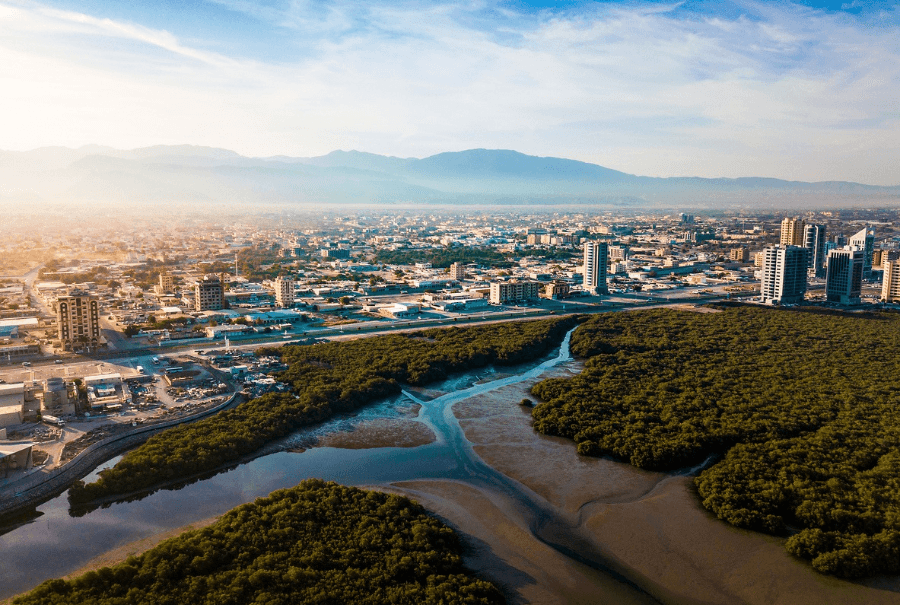
Ras Al Khaimah offers a different investment proposition from Dubai. Its appeal is closely connected to tourism, natural landscapes and expanding waterfront development. The Ras Al Khaimah Tourism Development Authority reported 1.35 million overnight visitors in 2025, representing 6% annual growth. Tourism revenues increased by 12% over the same period. (Source: RAK Tourism Development Authority, January 2026)
Al Marjan Island is particularly relevant to investors exploring resort-oriented residential property. Its hospitality offering and the planned opening of Wynn Al Marjan Island in 2027 have brought additional attention to the destination. Elsewhere, Al Hamra Village provides an established residential environment, while RAK Central represents an emerging mixed-use district.
For investors, the distinction matters. An established rental community offers different considerations from an off-plan waterfront development whose surrounding infrastructure is still evolving.
Miami, USA: International Appeal and Waterfront Living
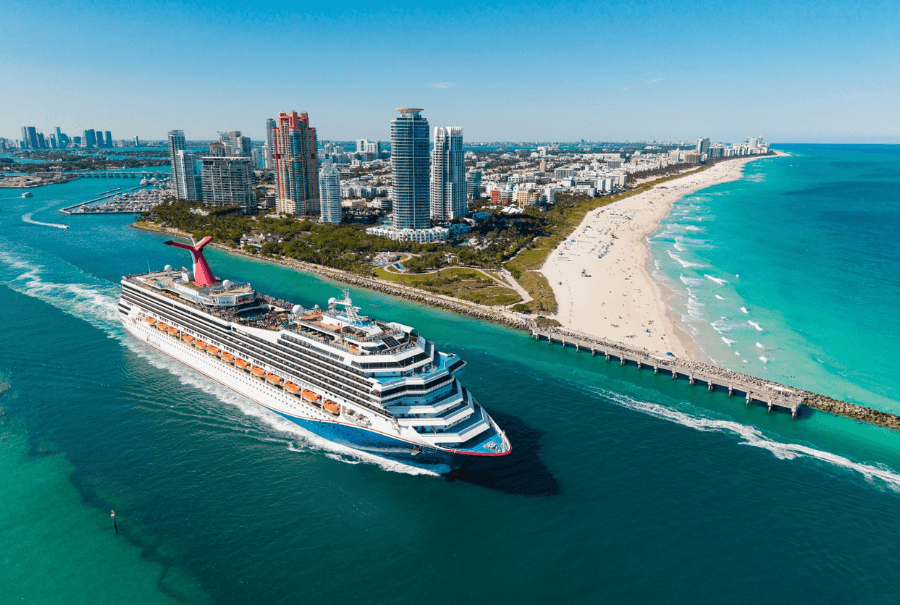
Miami has developed a strong international property profile, supported by its coastal lifestyle, business activity and appeal among domestic and overseas buyers.
Its residential market includes luxury waterfront condominiums, urban apartments and established family neighbourhoods. Areas such as Brickell, Downtown Miami and Miami Beach offer different combinations of rental demand, property pricing and lifestyle appeal.
Investors should pay particular attention to condominium association fees, insurance premiums, building maintenance obligations and exposure to climate-related risks. These factors can materially affect the long-term economics of waterfront property ownership.
Melbourne, Australia: A Diverse Residential Investment Market
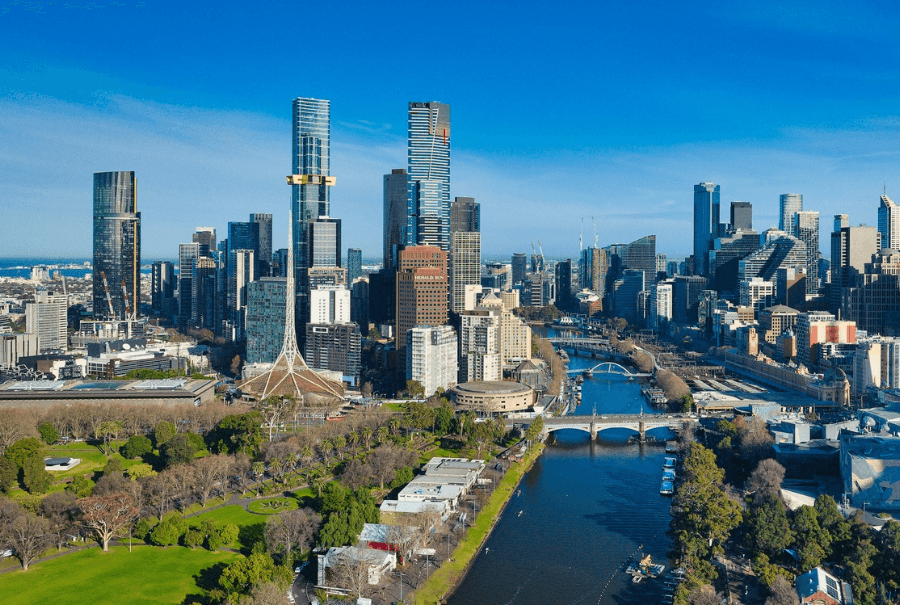
Melbourne offers a broad property landscape, from inner-city apartments to established suburban family homes. Its appeal is supported by education, healthcare, employment and an extensive network of residential neighbourhoods.
Investors exploring Melbourne should distinguish between apartment markets and houses in family-oriented suburbs. Tenant demand, supply and price movements can differ considerably. Transport connectivity, school catchments and proximity to employment centres often influence long-term rental appeal. Foreign investors must also consider Australia's residential property ownership restrictions and applicable taxes. For overseas buyers, eligibility should be confirmed before assessing potential acquisitions.
Singapore: A Financial Hub with a Regulated Property Market
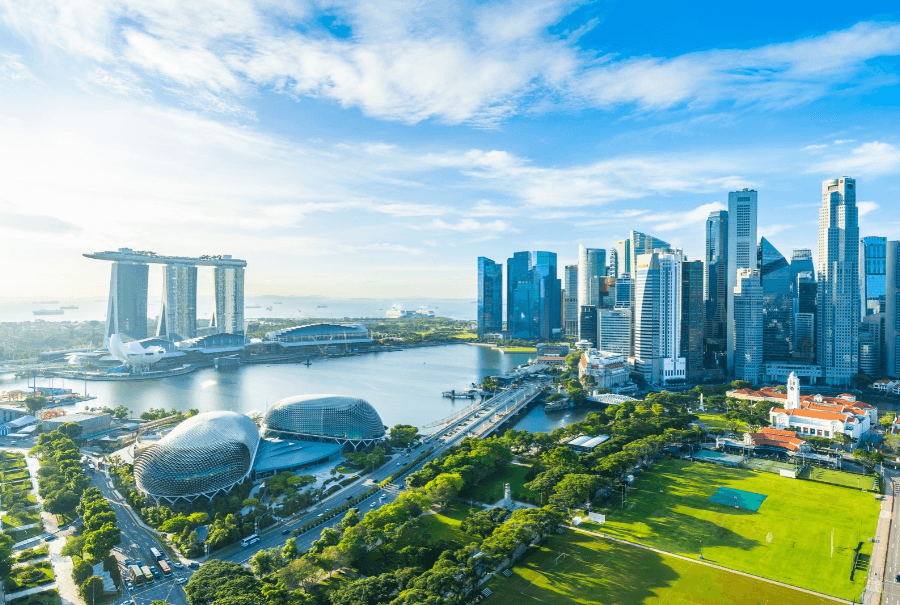
Singapore offers an established residential property market supported by its international business environment, infrastructure and limited land availability.
Private condominiums and apartments attract buyers seeking exposure to a major Asian financial centre. However, Singapore's property market operates within a highly regulated ownership and taxation framework, particularly for foreign purchasers.
Investors should assess eligibility, additional buyer's stamp duty, financing requirements and rental demand before making an acquisition. Strong market fundamentals do not necessarily translate into attractive net returns at every purchase price.
Manchester, UK: A Market Supported by Residential Demand
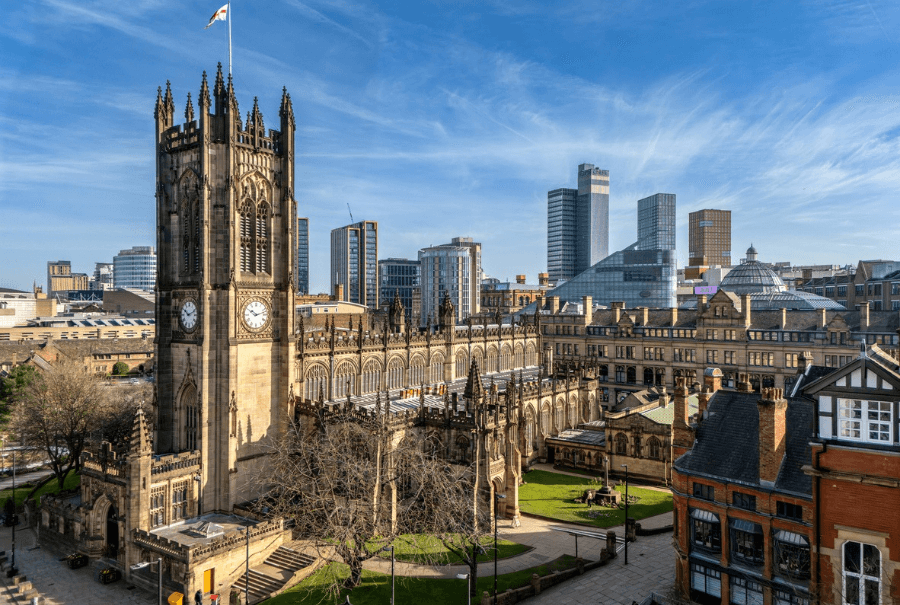
Manchester continues to attract property investors interested in a major regional British city. Its universities, employment centres, cultural attractions and established transport connections contribute to a diverse residential market. According to the Office for National Statistics, Manchester's average house price was approximately £251,000 in June 2026. Average monthly private rent reached £1,373 in August 2026, an increase of 4.2% compared with the previous year. (Source: Office for National Statistics, Manchester Housing Prices)
For investors considering buy-to-let property, city-centre apartments and homes near employment or university districts warrant closer examination. However, purchase taxes, maintenance costs, mortgage expenses and landlord regulations can materially influence net returns.
Austin, USA: Technology, Employment and Housing Supply

Austin has attracted international attention through its technology sector, business environment and expanding metropolitan area. Its residential market includes urban apartments, suburban townhouses and detached family homes. However, Austin also illustrates why employment growth alone doesn't guarantee property appreciation.
Housing construction, local supply, borrowing costs and affordability can significantly influence prices and rental performance. Investors considering Austin should examine neighbourhood-level vacancy rates, property taxes, insurance costs and realistic rental expectations. A well-located property with sustainable demand may be more attractive than one purchased solely because a city has received considerable media attention.
Tokyo, Japan: Established Demand in a Major Metropolitan Economy
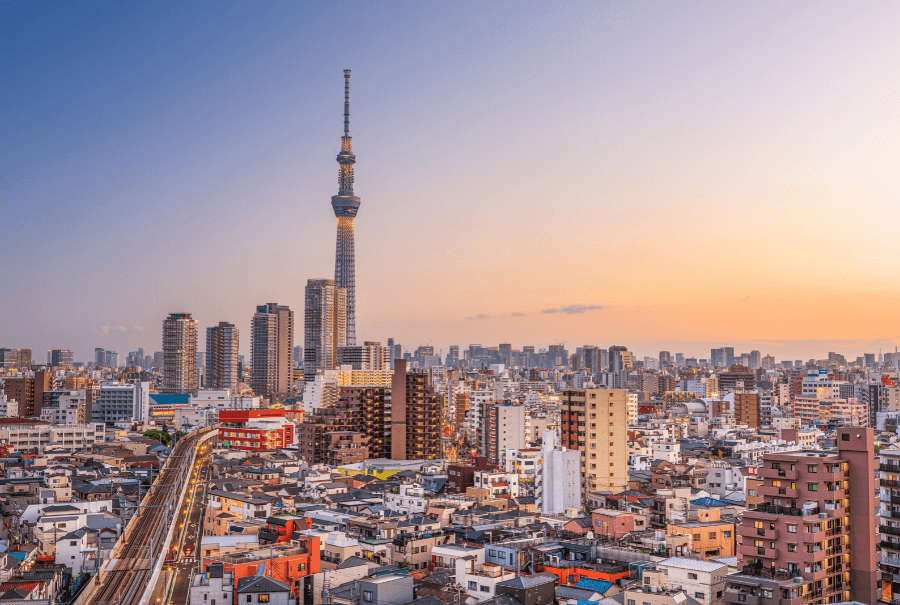
Tokyo offers access to one of the world's largest metropolitan residential markets, supported by extensive public transport, employment opportunities and a broad tenant base.
Its property landscape ranges from compact city apartments to larger residential buildings in established neighbourhoods. Proximity to railway stations, employment centres and everyday amenities can influence rental appeal.
Investors should examine building age, maintenance reserves, earthquake-resilience standards and local rental conditions. Currency movements and Japan's property ownership costs are also relevant for international buyers.
Best Cities to Invest in Rental Properties: What Matters Most?
Finding the best cities to invest in rental properties requires looking beyond gross rental yield.
| Investment Factor | Why It Matters |
| Rental demand | Helps assess the likelihood of consistent occupancy |
| Purchase price | Influences initial capital requirements |
| Operating expenses | Determines how much rental income remains |
| Housing supply | Can affect competition and rental growth |
| Infrastructure | Influences accessibility and neighbourhood appeal |
| Ownership regulations | Determines eligibility, taxes and legal obligations |
A property advertising an attractive gross yield may deliver a considerably lower net return after service charges, repairs, management fees and vacancy periods.
International investors should also account for currency movements and taxation in their country of residence.
How to Choose the Right City in 2026
There is no single city that suits every property investor.
Dubai offers access to an established international residential market. Ras Al Khaimah presents opportunities linked to tourism and waterfront development. Manchester provides exposure to an established British rental market, while Melbourne and Austin offer different forms of residential demand.
The decision should begin with your investment objectives: rental income, personal use, capital preservation or long-term appreciation.
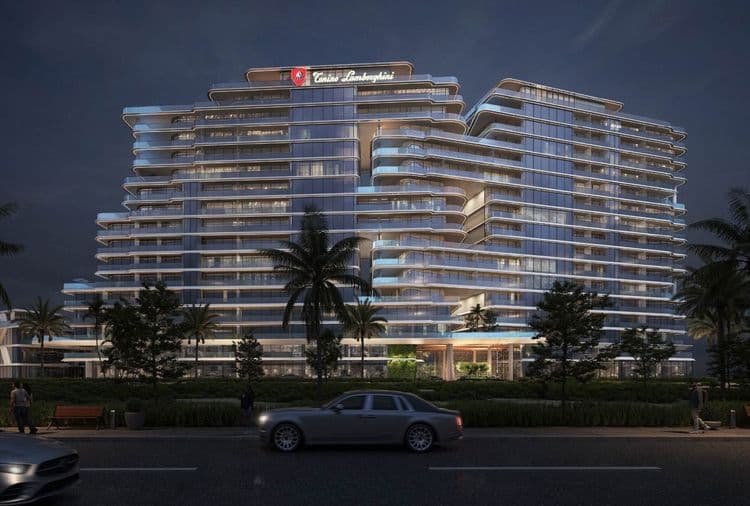
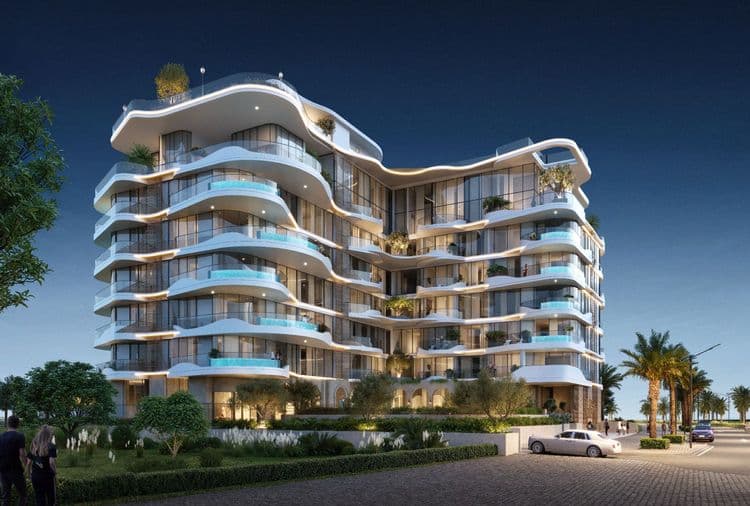
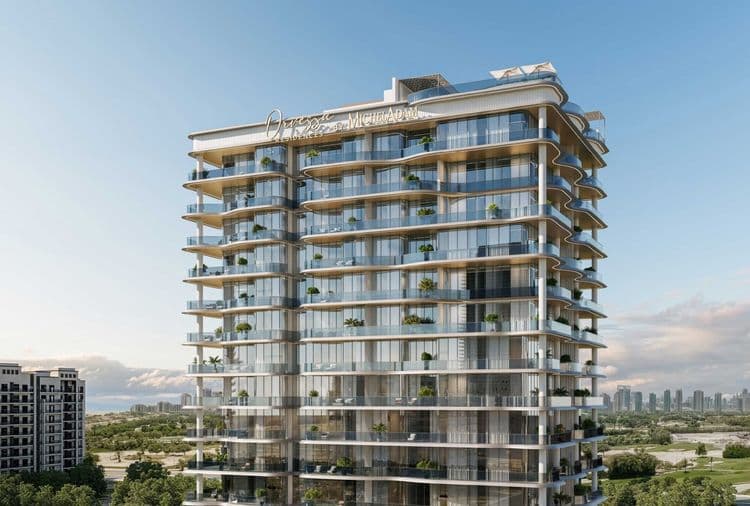
For those exploring opportunities in the UAE, BNW Developments offers a portfolio of premium and branded residences in Ras Al Khaimah, including waterfront developments on Al Marjan Island.
Ultimately, successful property investment depends less on choosing the most talked-about city and more on understanding the property, its market and the financial commitments involved.