

How to Buy Property in Ras Al Khaimah?
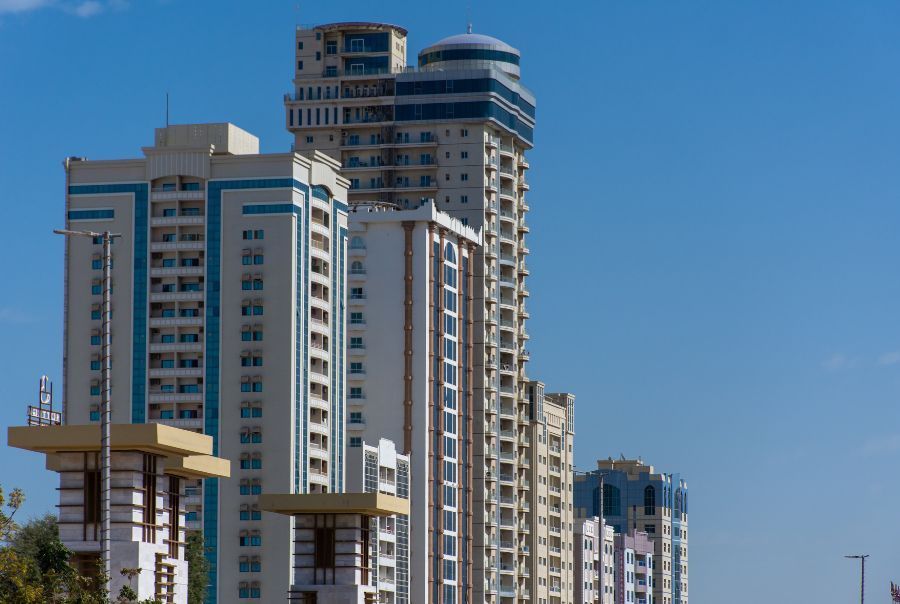
A listing may catch your attention because of the price, location or payment plan. That is only the starting point. Before you buy property in Ras Al Khaimah, you need to know what you are paying for, which documents require checking and how the ownership transfer works.
The number of decisions involved can surprise first-time buyers. There is the unit itself, as well as the booking terms, service charges, payment deadlines, and registration paperwork. Taking them one at a time makes the purchase easier to assess.
Below, we look at the process from the buyer’s side. It begins with choosing the right property and ends when the title deed is issued in your name.
What to Check Before Buying the Property
Start with the reason behind the purchase. Will you live in the property, use it during holidays or rent it out? A home that works well for one purpose may be a poor fit for another.
Ownership rules also need attention. Foreign buyers can purchase property in Ras Al Khaimah in areas and developments approved for foreign ownership. Check the status of the individual unit before paying a booking amount, rather than relying only on the general location.
Work out how much you can spend after all charges are included. Registration, agency commission, service charges, mortgage fees and future maintenance can add to the advertised price.
You must then choose between an off-plan and a ready property. An off-plan unit may come with staged payments or a lower starting price. A ready unit lets you see what you are buying and may be available for occupation or rent much sooner.
This decision also helps define your lifestyle and investment goals. Do you want to buy a home to live in permanently, or are you looking for a holiday retreat? Use that answer to choose the property and location that suits you best.
Types of Properties in Ras Al Khaimah
Ras Al Khaimah’s property market now includes everything from compact apartments to spacious villas and waterfront properties. What works best depends on the buyer’s budget, preferred lifestyle and plans for the property.
This table highlights the key features of the different types of properties in Ras Al Khaimah, along with their best features and target audience. It will help you make the search for your property more focused.
| Type of Property | Key Features | Best Suited for |
| Apartments | Available in studio and multi-room layouts, typically with shared amenities such as parking, a pool, and gyms. | Novice buyers, professionals |
| Villas | Spacious layouts with private pools and gardens. | Families and buyers seeking more space and privacy |
| Townhouses | A hybrid of apartments and villas with multiple floors, outdoor spaces, etc. | Growing families |
| Waterfront Property | Homes near the coastal lines with premium amenities and uninterrupted beach views. | Luxury homeowners and holiday home buyers. |
Once you have chosen a property type, decide whether to buy off-plan or choose a completed unit. Each option has its own advantages and practical considerations.
Off-plan Property
With an off-plan purchase, the home is still being built, or construction has not yet started. You will make your decision based on the floor plan, unit details, and materials provided by the developer. Payment may be divided into instalments, although every project follows its own schedule and terms.
Ready Property
A ready property is complete, you can walk through the unit and check its layout, condition, and view before buying. It may also be available for living or renting once the sale and handover are complete. Prices vary, which means a ready home will not always cost more than an off-plan one.
Think about when you need the property and how you intend to pay for it. If you want to inspect the actual home or use it soon, a ready unit may make more sense. If you are comfortable waiting and prefer instalments, an off-plan option may suit you better.
Choosing the Right Area Based on Your Goals
The location and surroundings of your property are as important as, if not more important than, the type of property you purchase. Some areas are well-suited for those specifically looking for holiday homes, while others are better suited to those who want to buy a unit for full-time living.
In this context, you need to look through the lens of your own lifestyle, commuting needs, and future plans instead of just the pricing and amenities on offer.
With Ras Al Khaimah's real estate market growing, numerous residential communities have gained attention for the distinct lifestyles they offer.
Let us give you a quick overview of comparable data on property ownership in some of the emirate's most sought-after areas.
Al Marjan Island
Al Marjan Island is a man-made waterfront destination with apartments, branded residences, hotels and resort-style developments. It may suit buyers looking for coastal surroundings, a holiday property or a home within a hospitality-led community.
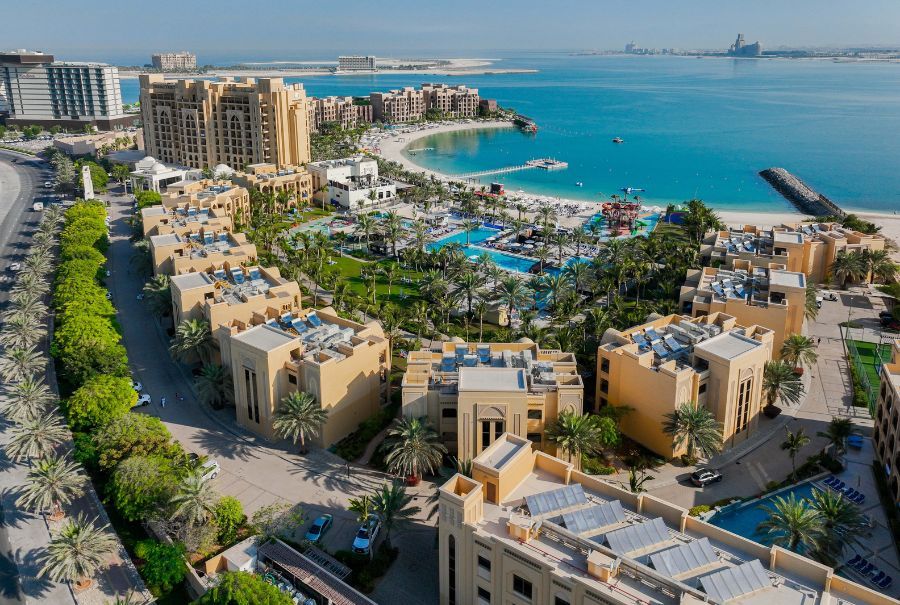
Al Hamra Village
Al Hamra Village is a well-established, family-friendly community that offers affordable apartments, premium townhouses, and villas. Perfect for families, professionals, end-users, and especially first-time buyers, this area offers nearby schools and retail outlets. The presence of recreational amenities and daily essentials helps make it one of the most popular integrated neighbourhoods in the emirate.
Mina Al Arab
Mina Al Arab is highly popular with retirees and nature lovers for its relaxed, eco-friendly appeal. It includes waterfront residential communities, walking trails, mangroves and green spaces, offering privacy and serenity for occupants.
If you plan to live in the property, compare access to healthcare, schools, workplaces, shops and transport against your current routine and future needs.
However, if you are specifically buying a property as a second or holiday home, take into account the maintenance costs and the property's lifestyle appeal. Looking beyond the needs of the initial purchase will help you better match the location to your future growth goals.
Step-by-step Process to Buy Property in Ras Al Khaimah
A property purchase involves several financial, contractual and registration steps. Handling them in the right order can reduce delays and make the paperwork easier to follow.
Depending on whether you are buying an off-plan or a ready-made unit, the process may vary slightly, but the overall property ownership journey will follow the same sequence.
To help avoid delays and ensure each transaction is completed with confidence, deal with each stage one at a time, with a thorough understanding and clarity.
Define your Budget
First, decide how much you can comfortably spend. This will stop you from spending time on properties that fall outside your budget and make comparisons more useful.

Leave room for costs beyond the listed price. These may include registration, agency, mortgage, service and maintenance charges.
Choose the Property
Once you have defined your budget, start comparing the different properties in different locations based on your needs. Important considerations at this stage will include property size, access to transportation and daily essentials, and the availability of amenities.
If you are opting for a ready-to-move-in unit, do a site inspection and physically examine the property. For off-plan properties, perform background checks on the developer’s reputation and track record while also seeing if the payment plan suits your financial condition.
Reserve the Unit
If you like a property and it meets your priorities, reserve it to make sure it doesn’t sell out to others. The reservation process starts with signing a form and paying a reservation fee or booking deposit.
The reservation form should identify the unit, price, amount paid, payment deadline and refund terms. Do not assume that every booking amount is refundable. Keep the signed form and an official receipt for the payment.
Conduct Due Diligence
Carrying out due diligence is non-negotiable before you finalise your purchase. Don’t rush; take the time to verify every little detail to help you avoid future financial or legal trouble. If required, seek help from a legal consultant.
For readymade units, you need to check that there are no outstanding fees or that the property is not involved in any disputes. Verify the seller before signing any deal. For off-plan properties, check whether the developer has approval from the official authorities to proceed with construction. Check out the terms of delay in handover dates as well.
Sign the SPA
If both parties agree to proceed with the sale, you need to sign the SPA (Sales and Purchase Agreement). This is a legal document that outlines the purchase price, handover date, payment schedule, client responsibilities, and other related terms.
Before you sign the contract, make sure to read it thoroughly and get it reviewed by a legal professional, if need be. If there is any clause that you feel uneasy or unsure about, address and resolve it before signing the SPA.
Complete Payment
For an off-plan property, payments are typically made in stages, aligned with construction milestones, through an escrow account that secures your funds.
For ready properties, the remaining purchase amount is paid before the transfer of the unit. Based on your financial situation, you can make the payments with personal funds or a mortgage. It is extremely important to keep copies of all payment receipts and related payment documents, as you will need them as proof during the ownership transfer process.
Register Ownership
Once all the payment obligations are fulfilled, you need to begin the registration process. The property you buy needs to be registered with the relevant officials through a legal registration procedure.
This is where the registration fees must be paid. All records of new ownership are updated here to reflect the new buyer. To put it simply, this process legally transfers the ownership of the property from the seller or developer to the buyer.
Receive the Title Deed
Finally, once you complete the registration process, you will be granted the title deed. This document is the official proof of your property ownership. With this by your side, your property purchase process gets officially completed.
Keep this document safe, as it is the only document that officially confirms the property is registered in your name. It also comes in handy during future sale, financing, and inheritance.
Knowing what to expect at every step gives buyers more authority and confidence to deal with any challenges that may arise. When you meet all legal obligations, you ensure your purchase is valid and free of discrepancies.
Costs to Consider When Buying Property
As stated above, the purchase price of a property is only part of the total expenses you will incur. There are often underlying costs that are not explicitly mentioned at the outset. Depending on the type of property, financing method, and location of the unit, these expenses can vary.
This table outlines the many hidden expenses you may incur when buying and owning a property in Ras Al Khaimah.
| Cost | What does it cover? |
| Registration Fees | Fees paid to the government for the legal transfer of property ownership. |
| Agency Fees | Optional fees, payable if you buy the property through a broker or real estate agency. |
| Service Charges | Recurring fees for the upkeep of the shared facilities, landscaping, security, and other common areas within the community. |
| Maintenance Costs | Costs for maintaining and repairing your unit, which are outside the community service charges. |
| Financing Costs | Payable in case you are using a mortgage. It includes interest charges, property valuation fees, and bank processing fees. |
Including these expenses in your budget from the outset helps you plan your finances more effectively and shows you the total cost of property ownership, not just the listed price.
Buying With Cash vs Mortgage
Your decision to complete your purchase with cash or a mortgage depends on your financial health. Each method has its own advantages.
Purchasing through Cash
Purchasing a property with cash ensures a quicker transaction, as you don’t have to wait for mortgage approvals or deal with interest payments. To do this, you need proof of funds, required identification documents, and the ability to cover hidden costs.
A cash purchase may strengthen your negotiating position because it does not depend on mortgage approval, although a discount is not guaranteed.
Purchasing through Mortgage
Buying a property through a mortgage or home loan allows you to own the unit without having to pay the full amount upfront. This makes homeownership more accessible.
To do this, you need to meet the lender's eligibility criteria and provide identification documents, proof of income, bank records, and other related documents.
Think about your financial well-being before choosing your payment method, and keep in mind your monthly repayment capacity and future financial goals.
Common Mistakes Buyers Should Avoid
Even experienced buyers can overlook important details. The following mistakes can lead to delays, disputes or unexpected costs.
- Don’t choose a location before deciding your buying goals. Instead of basing your decision on an area’s popularity, focus on its utility.
- Don’t focus on the listed purchase price. When setting your budget, leave room for hidden expenses such as registration, maintenance, and agency fees.
- Don’t skip due diligence. Make it a mandatory goal to verify the seller and developer. Review all documents with a legal professional before signing them.
- Don’t overlook the developer’s reputation. Go through their track record and testimonials to get a glimpse of their past performance.
- Don’t ignore payment terms. Verify the payment schedule and address, and resolve any clause you’re not comfortable with.
- Don’t accept a property without completing the necessary checks. Before taking possession, inspect the unit carefully and record any defects, incomplete work or differences from the agreed specifications.
Don’t hurry the process. Plan accordingly and take your time during each stage to avoid costly mistakes in the long run.
To Conclude
Buying property in Ras Al Khaimah is easier to manage when the decisions are made in the right order. Start with your purpose and budget, check the unit and documents, understand every payment and complete the required registration.
The exact steps can differ between an off-plan purchase, a developer sale and a resale property. Confirm the current requirements for your chosen unit before signing or transferring money.
FAQs
Are foreigners allowed to buy properties in Ras Al Khaimah?
Foreign nationals can purchase property in Ras Al Khaimah in areas and developments designated for foreign ownership. These include Al Marjan Island, Al Hamra Village and Mina Al Arab, but buyers should verify the status of the specific property before paying.
What documents are needed to buy property in Ras Al Khaimah?
The documents depend on the buyer, the property, and the transaction. Common requirements may include a passport or Emirates ID and the signed transaction documents. Mortgage applicants may also need proof of income, bank statements and lender-specific paperwork.
Is it better to buy an off-plan property or a ready property?
This depends on your priorities. An off-plan property is generally more affordable than its ready-to-move-in counterparts. However, a ready property allows you to move in immediately and to physically inspect it before purchase.
Can I buy property in Ras Al Khaimah with a mortgage?
Yes, you can buy property in Ras Al Khaimah with a mortgage, as many banks offer home loans. Eligibility for these mortgages depends on your income source and credit profile. It is advised to compare different mortgage options before finalising one.
What additional costs should I budget for when buying property?
Costs beyond the purchase price may include registration charges, agency commission, service charges, maintenance and mortgage-related expenses. Ask for an itemised estimate before signing.