
What Drives Long-Term Waterfront Property Value in RAK?
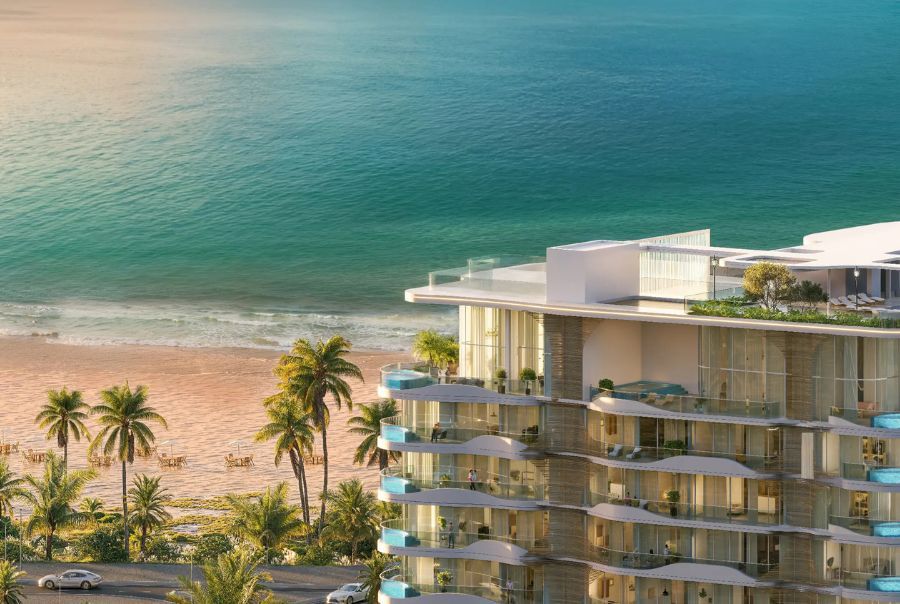
Waterfront property occupies a unique position within global real estate markets. Unlike standard residential assets, coastal developments combine finite land supply with lifestyle demand, tourism integration, and destination branding.
Within the UAE, Ras Al Khaimah has emerged as one of the most closely observed waterfront markets. As part of the broader national property landscape shaped by top developers, the emirate’s coastal districts are evolving through structured planning rather than speculative expansion.
At the centre of this evolution is Al Marjan Island, a master-planned archipelago located in Ras Al Khaimah, extending into the Arabian Gulf.
For investors evaluating waterfront property in Ras Al Khaimah, the key question is not short-term momentum. It is structural durability. What drives long-term waterfront property value, and how should investors assess it? This is what we are going to uncover in this space.
Why Waterfront Property Holds Long-Term Strategic Value
Waterfront property tends to command sustained interest because it is governed by structural constraints rather than unlimited supply.
Coastal land is finite. Even in master-planned communities, available beachfront frontage remains limited by geography, environmental regulation, and infrastructure feasibility. This natural scarcity differentiates waterfront real estate from inland residential inventory.
Beyond supply limitations, waterfront property in Ras Al Khaimah offers:
• Visual openness and sea views
• Lower-density environments
• Leisure-oriented design
• Integrated promenade and hospitality zones
These characteristics create lifestyle differentiation, an important factor in long-term demand resilience. When evaluating coastal investments, scarcity and structured planning form the first layer of value logic.
Coastal Scarcity: How Limited Supply Supports Waterfront Property Value
Scarcity alone does not create value. It must be paired with disciplined development. In Ras Al Khaimah, coastal expansion has been concentrated within defined master-planned zones rather than dispersed along the entire shoreline. Al Marjan Island represents a controlled, purpose-built waterfront district rather than incremental coastal sprawl.
Recent developments in Al Marjan Island reflect how phased releases and coordinated planning contribute to neighbourhood cohesion. When projects are integrated within a broader destination vision, supply growth becomes structured rather than reactive.
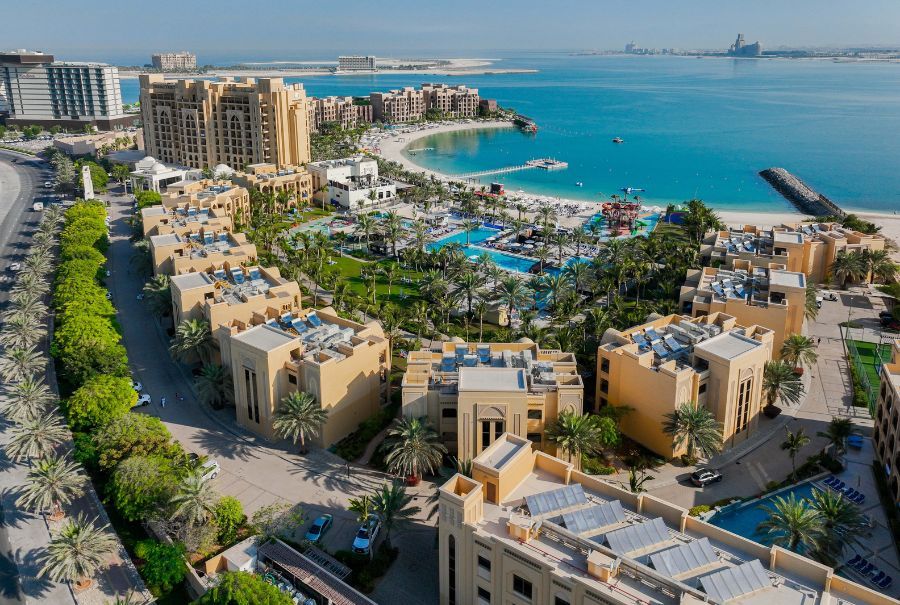
Controlled supply reduces the likelihood of sudden inventory surges that can pressure long-term positioning. While no market is immune to cycles, disciplined land allocation typically supports stronger stability compared to unregulated expansion.
For investors, evaluating how and where new waterfront property is introduced is as important as evaluating the unit itself.
Infrastructure and Connectivity Supporting Waterfront Property in Ras Al Khaimah
Infrastructure is a core determinant of long-term real estate positioning. Ras Al Khaimah benefits from established road networks linking it to Dubai and other emirates, enabling residents and visitors to access major commercial centres while enjoying coastal living. Connectivity strengthens both end-user appeal and tenant demand.
Infrastructure influences:
• Commuting feasibility
• Tourism accessibility
• Business integration
• Long-term liveability
Waterfront property located within connected corridors is typically more resilient than isolated coastal developments. Al Marjan Island’s positioning within Ras Al Khaimah’s broader infrastructure plan enhances its usability.
It functions as part of a coordinated development strategy rather than a detached shoreline enclave. This integration supports long-term value logic grounded in accessibility rather than novelty.
Tourism Growth and Its Impact on Waterfront Property Demand
Waterfront communities often perform best when integrated with hospitality ecosystems. Ras Al Khaimah has steadily expanded its tourism footprint within the UAE, with increasing coastal hospitality presence contributing to destination visibility.
Tourism supports residential markets by introducing:
• Seasonal visitor demand
• Short-term accommodation potential
• International brand recognition
• Expanded leisure infrastructure
On Al Marjan Island, residential projects such as Aqua Maya benefit from proximity to tourism-oriented infrastructure, reinforcing the importance of mixed-use planning.
A waterfront property embedded within a hospitality-supported environment often benefits from diversified demand channels, including lifestyle buyers, long-stay tenants, and international visitors.
Tourism alone does not define long-term performance. However, ecosystem integration strengthens structural support. This is why now, more than ever, is the best time to invest in Al Marjan Island.
Development Quality as a Long-Term Driver of Waterfront Property Value
Location establishes potential. Development quality sustains it. In waterfront markets, architectural integrity and execution standards significantly influence long-term perception.
Our projects, such as Tonino Lamborghini Residences in Al Marjan Island, illustrate how branded residential concepts can reinforce identity within a coastal setting. Design coherence, layout efficiency, and material standards shape neighbourhood consistency.
Similarly, La Perla, one of our premium projects in Marjan Island, reflects structured waterfront integration, where residential positioning aligns with the island’s broader master plan.
High-quality developments contribute to:
• Sustained buyer confidence
• Stronger community identity
• Long-term aesthetic preservation
Investors should assess not only individual unit features but also how a project contributes to the wider waterfront ecosystem.
Evaluating Developer Track Record in Waterfront Communities
Before acquiring waterfront property, investors should examine:
• Clarity of market positioning
• Alignment with premium standards
• Long-term development strategy
• Consistency across delivered projects
Developer credibility influences market perception, particularly in emerging waterfront destinations.
Lifestyle Demand and End-User Appeal in Waterfront Communities
Waterfront property derives intrinsic strength from lifestyle appeal. Coastal living offers environmental openness and leisure integration not easily replicated in dense urban cores. In Ras Al Khaimah, waterfront communities provide a more measured residential experience compared to metropolitan centres.
This differentiation attracts:
• International buyers seeking second homes
• UAE residents valuing lower-density environments
• Long-term lifestyle-oriented investors
Our premium residences, such as Taj Wellington Mews in Marjan Island, demonstrate how hospitality-aligned design can enhance residential appeal within a waterfront district.
Lifestyle demand often supports resilience during broader market adjustments. While investor cycles fluctuate, end-user appeal provides a baseline layer of demand stability.
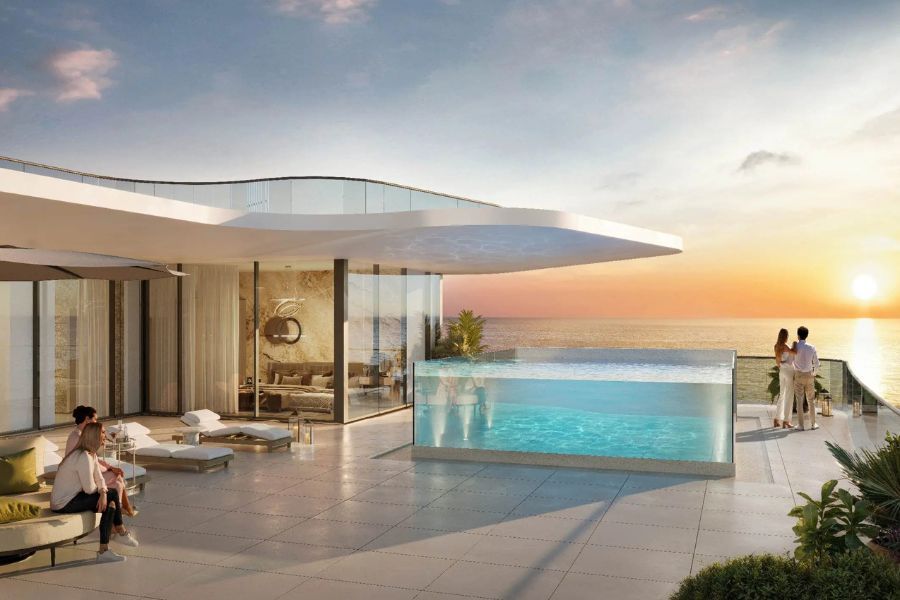
Luxury living in Ras Al Khaimah has taken a whole new ballgame with our opulent residential and mixed-use projects in the past few years.
Regulatory Stability and Investor Confidence in UAE Waterfront Property
Long-term value is also influenced by governance. The UAE provides structured property ownership frameworks, defined freehold zones, and transparent title registration systems. This legal clarity enhances investor confidence in waterfront property transactions.
Regulatory stability reduces structural uncertainty. Predictability in ownership rights and transaction procedures supports long-term investment planning.
In Ras Al Khaimah, waterfront developments operate within this broader national regulatory framework, aligning coastal growth with established property standards. For investors, this legal clarity is a foundational element of sustainable value.
Al Marjan Island: Waterfront Property Growth in RAK
Al Marjan Island represents one of the most visible examples of coordinated waterfront property development in Ras Al Khaimah. Unlike fragmented shoreline growth, the island follows structured zoning principles that prioritise cohesion and accessibility.
Investor attention is shaped by:
• Coordinated tourism integration
• Premium residential releases
• Infrastructure alignment
• Destination branding
Interest in Al Marjan Island is driven by ecosystem evolution rather than short-term volatility. The development of Al Marjan Island has put Ras Al Khaimah in par with Dubai as the real estate powerhouses of the country.
Key Factors to Evaluate Before Investing in Waterfront Property
While structural advantages exist, disciplined assessment remains essential. Take a look at the following factors that you need to keep in mind while evaluating a waterfront property.
Developer Credibility
Examine track record, positioning clarity, and delivery consistency.
Master Planning Integrity
Integrated communities tend to outperform fragmented development patterns.
Infrastructure Pipeline
Accessibility and future connectivity influence usability and demand durability.
Tourism Integration
Balanced residential and hospitality mix strengthens ecosystem support.
Long-Term Liveability Standards
Walkability, access to amenities, and environmental quality contribute to sustained appeal.
To Conclude
Long-term waterfront property value is shaped by structural drivers rather than temporary market narratives. In Ras Al Khaimah, particularly within Al Marjan Island, coordinated planning, disciplined supply, infrastructure integration, and development quality collectively influence long-term positioning.
For investors, waterfront property should be assessed as part of a broader ecosystem, one defined by scarcity, usability, and sustainable destination growth.
FAQs
Why do waterfront properties often retain value?
Waterfront properties are supported by coastal land scarcity, lifestyle differentiation, and controlled future supply. When combined with infrastructure integration and development quality, these structural factors contribute to sustained market positioning.
Is waterfront property in Ras Al Khaimah a long-term investment?
Ras Al Khaimah’s waterfront zones, including Al Marjan Island, benefit from coordinated planning, tourism ecosystem growth, and infrastructure expansion. Investors should evaluate long-term fundamentals rather than short-term cycles.
What should investors evaluate in a waterfront development?
Key considerations include developer reputation, master planning integrity, connectivity, hospitality integration, regulatory clarity, and design standards.