

A Complete Guide to Property Valuation in Dubai

Dubai is one of the most sought-after property markets globally, capturing the attention of both local and global investors. However, to strike a profitable deal, a thorough understanding of property valuation is essential.
This helps you evaluate the fair and reasonable market value of a property based on pragmatic aspects, including market demand, location, sales trends, and comparable properties. Whether you are planning to invest in a property, sell one, refinance a mortgage, or explore other investment opportunities, knowledge of property valuation comes in handy in many ways.
This information will help you make a well-informed choice when managing financial risks, regardless of whether you are an investor, buyer, seller, or lender.
What Is Property Valuation and Why Does It Matter?
Property valuation is the professional assessment of a property's real market value. In the process, the unit's physical features are evaluated, and the location, payment plans, legal conditions, and prevailing market conditions are analysed.
Qualified professionals conduct this valuation process by analysing factual data instead of seller expectations or biased personal opinions. Their job is to provide their clients with an objective estimate of what the property should sell for in a competitive, real-world market.
Property valuation gives us the market value. Here, an important aspect to keep in mind is that the asking price is not the same as the market value. Asking price is set by the seller and is heavily influenced by their expectations and emotions. Market value, on the other hand, is determined strictly through an analytical approach based on research into market trends and conditions.
For instance, a seller may list a property in Jumeirah Village Circle (JVC) for AED 1.8 million. However, real estate valuation shows that the average selling price of similar units in the area has been AED 1.4 million. Therefore, unless the listed property offers premium amenities, its advertised asking price is way too high.
By empowering buyers to negotiate effectively and sellers to understand the value of their assets, industry standards demonstrate why property valuation matters.
When Do You Need a Property Valuation in Dubai?
Most people think that property valuation should be conducted only during the sale of a property. But, in reality, it plays a major role in various stages of a property ownership journey. Whether you want to invest in a property or refinance an existing home loan, real estate valuation helps you make sound financial decisions by eliminating uncertainty.
Dubai's real estate market is highly dynamic. As it continues to evolve, you can’t rely on advertised listing prices or outdated valuations. A professional property valuation enables all parties to make smart, confident decisions based on prevailing market evidence.
This table shows the need for property valuation in Dubai across four distinct stages of property ownership, each with its own perspective.
| Situation | Objective |
| Buying Property | When buying property in Dubai, real estate valuation helps buyers determine whether the seller’s asking price is justified by the current market conditions. Besides, it helps them negotiate smartly. |
| Selling Property | Property valuation helps sellers attract serious buyers and lower prolonged listing periods. It also helps them price their unit competitively while avoiding the undervaluation of their assets. |
| Mortgage Approval | When obtaining a mortgage, most banks require a valuation to verify the property's value. It helps lenders determine whether they are willing to finance your purchase. |
| Refinancing | During refinancing, lenders look for an updated valuation to determine a property's current value. It comes in handy for owners seeking revised loan terms or better interest rates. |
Apart from these, a property valuation certificate may also be needed for various legal, administrative, or financial purposes. These include divorce settlements, asset reporting, court proceedings, insurance policy evaluation, inheritance planning, etc.
An independent valuation can help you make well-informed legal and financial choices by providing credible expertise to assess these situations from all angles. Timing is also key in this process, as market values are not static and shift with market demand, rising or falling interest rates, and infrastructure developments.
During investment planning, investors can use property valuation to determine whether the unit they are interested in will generate healthy rental income in the future. It also offers them insights about a unit’s capital appreciation potential. You don’t invest in a property every day, so judging whether it aligns with your long-term goals is crucial.
How Does Property Valuation Work in Dubai?
A professional property valuation process adheres to authorised industry standards while combining data analysis, pragmatic judgment, physical inspections, and market research. In Dubai, the valuation process is typically carried out by a registered valuer.
A registered valuer takes on this hard task. With their industry knowledge and understanding of the market regulations, they are well-equipped to give an objective assessment. They provide valuation reports that adhere to the industry standards set by the Dubai Land Department (DLD) and also by the Real Estate Regulatory Agency (RERA). This ensures full transparency and consistency across all stages of property ownership.
Here is a representation of the working mechanism of property valuation in Dubai.
| Valuation Stage | What does the Valuer Assess? | Impact on Market Value |
| Site Inspection | Property size, condition, layout, amenities, location, etc. | Helps identify the factors that impact property value. |
| Comparable Sales | Recent sales of similar units in the same locality. | Sets an objective benchmark based on realistic market transactions. |
| Market Analysis | Demand, supply, and prevailing market trends. | Determines the external factors influencing property prices. |
| Final Valuation Report | Findings from the site inspection and market analysis. | Provides an official estimate of the unit’s market value, backed by professional assessment and market evidence. |
This detailed step-by-step process ensures the valuation is based on real-time data rather than assumptions. This instils confidence among buyers and sellers as they have an objective and transparent report in front of them.
Factors that Affect Property Value
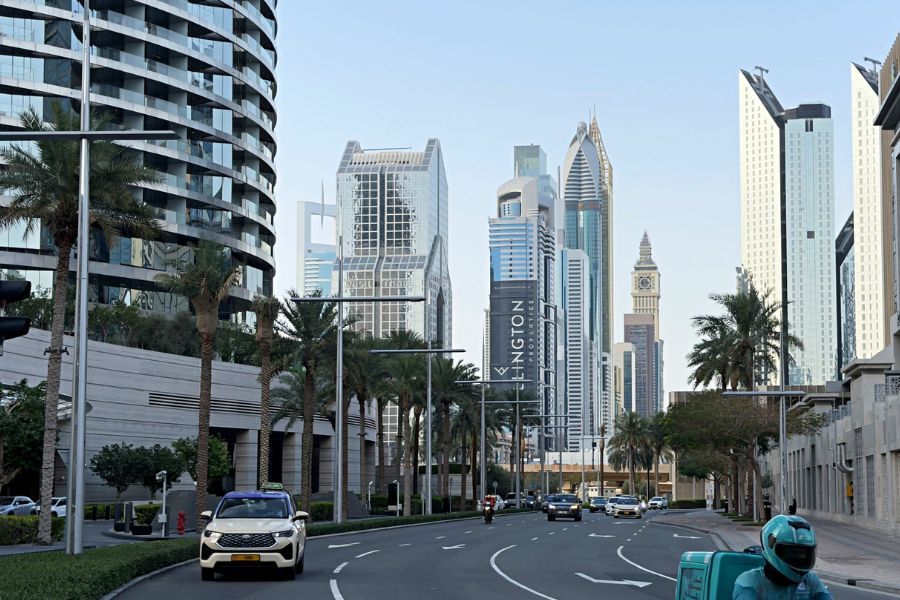
A combination of factors affects the market value of a property unit, including its physical characteristics, location, building quality, and current market trends.
Property Features and Location
The physical features and location of a property contribute largely to its market value. Registered valuers take into consideration the property size, layout, balcony view, usable living space, and number of rooms. Along with its location, its accessibility to nearby schools, public transport, the surrounding community, and lifestyle conveniences also factor into the final decision.
Building Quality and Amenities
The building's age and maintenance standards, along with the developer's reputation, can influence a property's saleable potential. Besides, the presence of bespoke amenities, such as a swimming pool, landscaped gardens, fitness centres, and security features, can also impact the valuation process.
Market Conditions
Current market trends, including buyer sentiment, influence property values. Demand and supply play a direct role here. Locations with limited units and high investment demand tend to have higher property market values. On the other hand, areas with an oversupply see lower property prices.
Registered valuers assess these elements collectively to reach a fair conclusion and provide a market value based on real-time evidence.
Property Valuation for Buyers vs Investors
Both buyers and investors rely on property valuation, but they have different priorities. While buyers use valuation to assess whether the property matches their lifestyle and long-term needs, investors focus on whether it can deliver profitable returns.
This table highlights the different priorities and decisions of buyers and investors during a real estate valuation process.
| Criteria | Buyers | Investors |
| Key Objective | Finding an apt home for personal use. | Boosting financial returns. |
| Primary Considerations | Location, accessibility, transport, convenience, amenities, etc. | Operating costs, Return on investment (ROI), rental yield, rental demand, etc. |
| Focus | Lifestyle, comfort, future family requirements, etc. | Portfolio growth, capital appreciation potential, and resale prospects. |
| Decision Drivers | Affordability and personal choices. | Investment potential and market performance. |
When evaluating property investment in Dubai, investors look beyond the selling price. They estimate expected rental income, rental demand, occupancy rates, and capital appreciation potential. A high-demand area generates better ROI over time.
By contrast, buyers or end-users prioritise the unit's layout and spaciousness, as well as its proximity to workplaces and schools. For them, maximising financial returns is not a concern. Instead, they look for options that will enhance their comfort and lifestyle.
Who Can Carry Out Property Valuation in Dubai?
Property valuation in Dubai can only be carried out officially by a registered valuer or a licensed valuation company. Only they have the qualifications and expertise to provide you with an evidence-based, unbiased evaluation by using comparable sales and market data.
A certified property valuer prepares a valuation report by assessing the property's condition and size, verifying its legal status, reviewing available amenities, analysing the surrounding area and location, and considering prevailing market conditions. This report is useful for investment planning, home loan or mortgage approvals, property transactions, and refinancing, among others.
It is often recommended to hire an independent valuer, as they will provide an unbiased valuation. In stark contrast to a seller or even a real estate agent, who might have a conflict of interest, an independent valuer will base their decision solely on market evidence. Many lenders also hire their own valuers to ensure the property they are providing a mortgage for is correctly valued.
A licensed valuer can help determine the accuracy of a valuation report. This gives investors, sellers, buyers, and lenders confidence to make well-informed financial choices.
How Much Does Property Valuation Cost in Dubai?
In Dubai, the valuation cost of a property unit doesn’t follow a standard fixed fee and is instead determined by varied factors. You might be tempted to choose the lowest-priced option to save money in the short run, but the experience and credibility of a reliable valuer, who may charge more, can’t be matched. They can provide you with a comprehensive analysis of the real market value.
Property valuation in Dubai depends heavily on the property's size and type, as well as its location and surroundings. For instance, you will find the assessment of a studio apartment to be a relatively easier process than the same for a villa. The purpose of conducting the valuation also determines the final cost. A valuation done for investment analysis will cost differently from the valuation done for mortgage approvals.
If a site inspection is taking longer than usual or procuring comparable sales data is becoming difficult, it can also affect the final price. Rapidly developing properties in niche markets also require considerable effort by the valuer to obtain an accurate valuation, which, in turn, affects pricing.
Property owners are advised to focus on finding accurate, reliable, and independent professional expertise rather than prioritising valuation costs alone. Valuation helps people avoid making critical financial mistakes, saving them fortunes in the long run. It also strengthens the negotiation process. It is often considered the key to gaining valuable insights throughout a property ownership journey.
Common Mistakes to Avoid When Assessing Property Value
Determining the real market value of a property requires more than just online listings comparisons. Most people make mistakes that cost them dearly. Here are some of the most common mistakes to avoid when assessing property value.
Relying on the Asking Price
The asking price is typically set by the seller and, as such, often doesn’t reflect the property's accurate market value. Therefore, always compare it with professional valuations before finalising a deal.
Ignoring Comparable Properties
Review relevant comparable properties to get a more realistic benchmark. Compare similar properties by size, type, age, condition, amenities, and location.
Overlooking Market Trends
Property values fluctuate with changes in interest rates, infrastructural developments, buyer demand, and other market trends. Ignoring them can result in incorrect pricing decisions.
Assuming Renovations Always Increase Value
Renovations can at most enhance a property's appeal, but they may not always affect its final value. The return depends on the current buyer's preferences and the overall quality of the upgrades.
Forgetting Transaction History
Recent transaction data offers more realistic insights than promotional listings. Review previous sales within the same community or surroundings to get a more accurate market value.
Property ownership can be an overwhelming process, and the stress can force people to ignore these common mistakes. But proper planning can help you avoid them and save a fortune.
To Conclude
Anyone planning to buy, sell, invest in, or refinance a property's mortgage must go through the valuation process. In today’s time, property valuation is a non-negotiable step if you want to safeguard your finances and know the true market value of a property. It helps buyers avoid being robbed, sellers price their valuables smartly, and lenders make well-informed financial decisions.
For investors, a licensed professional valuation is key to getting valuable insights into ROI, capital appreciation, and rental potential. Rather than assumptions, valuation relies on real-time market data to minimise risk and inform profitable decisions.
FAQs
How long does a property valuation take in Dubai?
The timeframe can vary from one property to another. Property type, available sales data, and the need for a site inspection all affect how long the valuation takes.
Do I need a property valuation before buying in Dubai?
Not always. If you are buying with a mortgage, the lender may require a valuation. Cash buyers may also choose to arrange one to get a clearer idea of whether the asking price reflects the market.
Can a property be listed above its actual market value?
Yes. Sellers can price a property at whatever figure they choose, but that does not mean the market will agree. Looking at recent deals for similar properties can give you a better idea of its actual value.
Can property valuation affect mortgage approval in Dubai?
Yes. Lenders may use a property valuation to assess the property's market value before deciding how much they are willing to finance. The valuation can therefore influence the loan amount offered for a property purchase.
How often should a property be valued in Dubai?
There is no fixed schedule for valuing a property. An updated valuation may be useful before selling, refinancing, applying for a mortgage, or making a major investment decision, particularly when market conditions have changed.