

Real Estate Investment for Residency & Citizenship: UAE vs Global Investment Programs
For some international property buyers, the most valuable thing about a second home isn't the view, the rental income, or even the prospect of capital appreciation. It's the freedom of having somewhere else to live.
A family might want a base in another country so their children can study there. An entrepreneur may want a more convenient place to do business. Others simply want the reassurance of having another option if their circumstances change. These are increasingly familiar considerations in international real estate, where investment decisions are often tied to residency rights and long-term mobility.
But property marketing often overlooks an important distinction. Residency and citizenship are not the same thing. A residence permit lets someone live in a country under specific conditions. Citizenship establishes legal nationality and the rights that come with it. Buying a property may help an investor qualify for one, but it does not necessarily provide a route to the other.
In 2026, the differences between global investment programmes are particularly important. Some countries have raised their minimum investment thresholds, others have restricted property purchases, and a few have closed their investor visa routes altogether. So how does the UAE compare with the alternatives?
UAE: Property Investment with Long-Term Residency Benefits

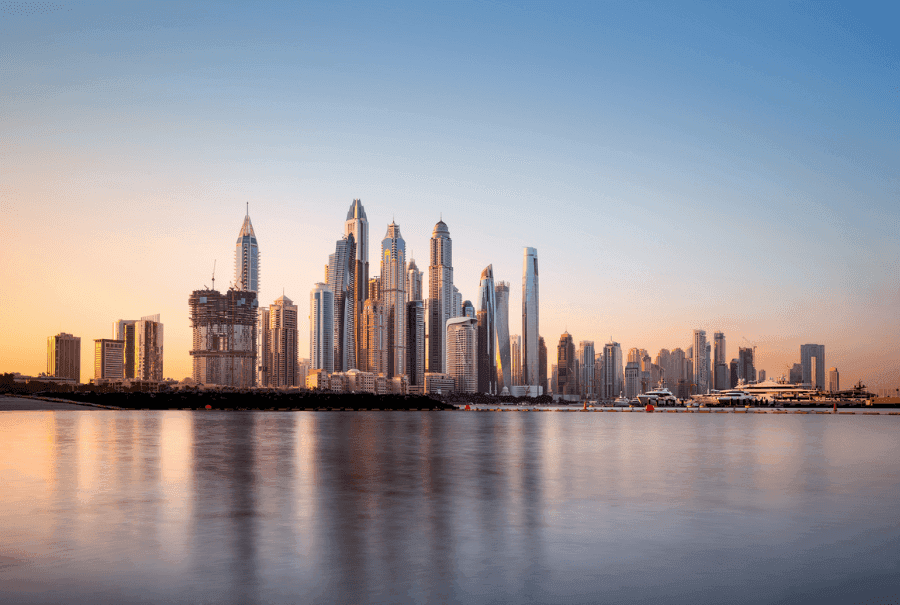
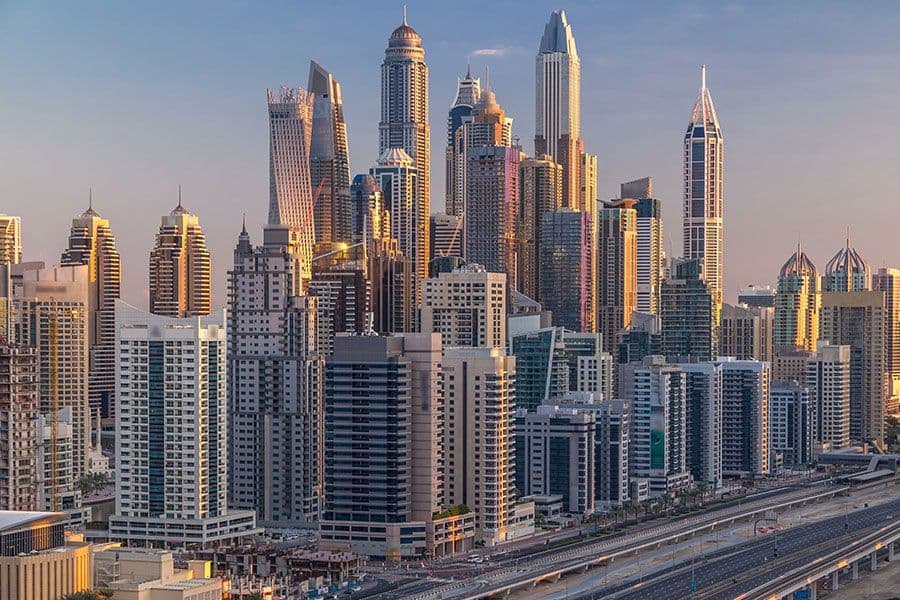
The UAE has become a leading destination for investors seeking property ownership and long-term residency. Its Golden Residency framework allows eligible real estate investors to apply for extended residency without relying on a conventional employer-sponsored visa.
According to the Federal Authority for Identity, Citizenship, Customs and Port Security (ICP), qualifying investors can apply through property ownership totalling at least AED 2 million. Eligible investments may include multiple properties, certain mortgaged properties financed through approved local banks, and qualifying off-plan purchases from authorised developers.
The Dubai Land Department currently offers a service that allows qualifying property investors to apply for a renewable 10-year residence permit. Applicants must satisfy the relevant ownership, valuation, documentation and immigration requirements. Family sponsorship is also available under the programme's conditions.
The distinction is that the investor is acquiring property and may separately qualify for residency. The purchase itself does not automatically issue a visa, and the Golden Residency programme does not provide an automatic route to UAE citizenship.
That doesn't necessarily diminish its appeal. For someone who wants a long-term base in Dubai, the ability to live in the country, build business connections, and plan family life without relying on a conventional employment visa can be valuable.
The UAE also offers a comparatively favourable domestic personal tax environment. However, international investors should consider their tax residence, nationality and reporting obligations elsewhere before assuming that relocating or purchasing property will eliminate foreign tax liabilities.
For buyers interested primarily in residency and lifestyle rather than obtaining another passport, the UAE presents a proposition worth examining.
Beyond its long-term residency benefits, the UAE offers investors the potential to build wealth through capital appreciation and rental income. Dubai recorded over AED 917 billion in real estate transactions in 2025, reflecting sustained investor confidence and growing international demand. According to CBRE, average residential property prices increased by 12.9% year-on-year in Q4 2025, while gross apartment rental yields in several communities averaged approximately 6–7% annually. For perspective, a property valued at AED 2 million could generate AED 120,000–140,000 in annual gross rental income at those yields, alongside potential gains in property value. While returns vary by location, property type and market conditions, this combination of potential capital growth, recurring rental income and eligibility for long-term residency makes UAE real estate an attractive proposition for international investors seeking both financial opportunities and lifestyle benefits.
Greece: European Residency Through Property Ownership
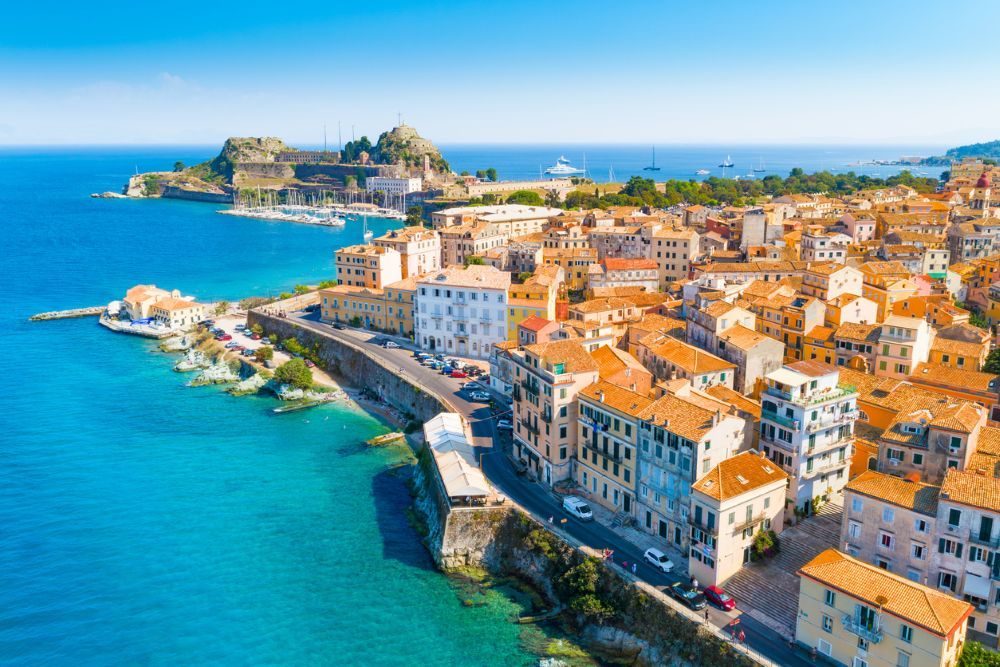
Greece has long attracted non-EU investors seeking to combine property ownership with European residency. Its Golden Visa programme offers qualifying third-country nationals a renewable residence permit, with the possibility of including eligible family members.
The financial requirements have changed considerably.
Under the revised rules, the standard minimum real estate investment is €800,000 in areas including Attica, Thessaloniki, Mykonos, Santorini and islands with populations exceeding 3,100. In many other parts of Greece, the threshold is €400,000. Certain qualifying property conversions and restoration projects may fall under a €250,000 exception, subject to specific legal conditions.
These distinctions matter because a buyer cannot simply assume that any apartment advertised for €250,000 will qualify.
The rules also restrict how certain Golden Visa properties may be used, including short-term rental limitations. Anyone considering a holiday rental strategy should review those provisions carefully.
One of the programme's attractions is the ability for eligible permit holders to travel within the Schengen Area under the applicable short-stay rules. However, Greek residency is not the same as EU citizenship, nor does it provide an unrestricted right to work throughout the European Union.
Citizenship would require a separate naturalisation process, with its own residence, language and other legal requirements.
For investors seeking to maintain a European base, Greece remains relevant. But the higher entry thresholds and property-use restrictions mean that the investment case deserves more scrutiny than it did several years ago.
Cyprus: Permanent Residence with Additional Financial Conditions
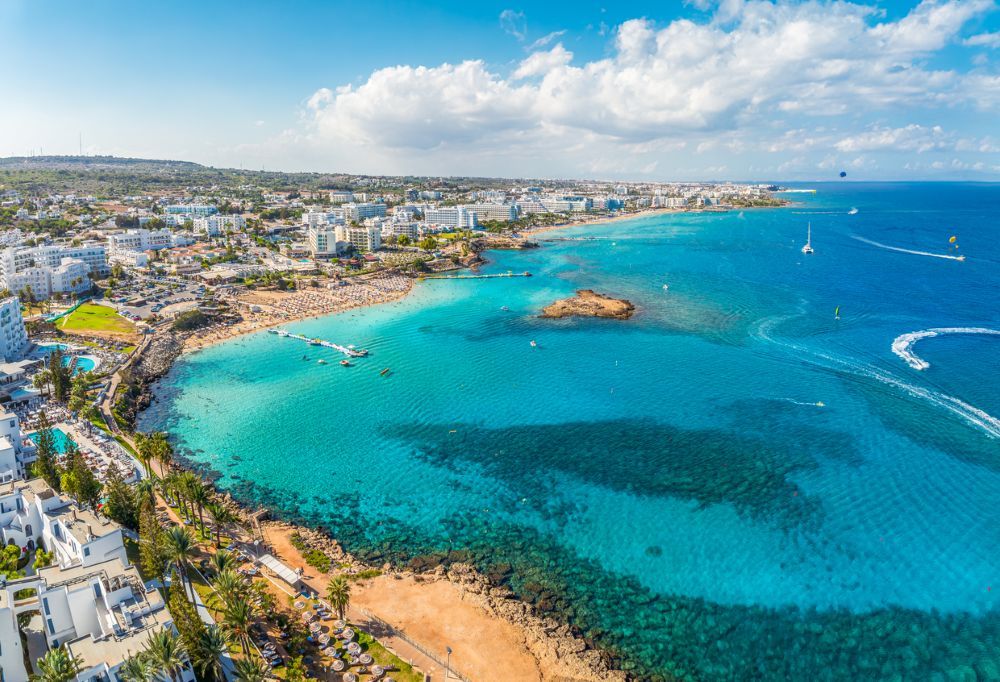
Cyprus offers another property-linked route, though its requirements differ from Greece's.
Under the country's investor immigration permit framework, qualifying applicants can invest at least €300,000 in an eligible category. For residential property, the purchase generally must involve a new house or apartment acquired from a development company as a first sale, with VAT payable where applicable.
The programme also requires evidence of sufficient annual income. The published threshold is €50,000 for the principal applicant, increasing by €15,000 for a spouse and €10,000 for each dependent minor child.
That means the headline property investment is not the only financial consideration. Applicants must demonstrate that they can support themselves and their families, provide the required documentation and satisfy the programme's eligibility conditions.
The permit is intended to support permanent residence, subject to continuing compliance. Investors must also maintain the qualifying investment or replace it in accordance with the rules.
Importantly, Cyprus is an EU member state, but it is not currently part of the Schengen Area. A Cypriot residence permit should therefore not be confused with the travel rights attached to a residence permit issued by a Schengen country.
Nor does the investment itself confer Cypriot citizenship. Naturalisation is governed by a separate legal framework.
For families seeking a European residential base, Cyprus may be attractive, but consider the income requirements, permitted property types, and ongoing obligations alongside the purchase price.
Türkiye: A Property Route That Can Lead to Citizenship

Türkiye offers a different proposition because its real estate investment programme can provide a route to citizenship rather than residency alone.
According to the Investment and Finance Office of the Presidency of the Republic of Türkiye, foreign investors may be eligible to apply for Turkish citizenship by purchasing qualifying real estate worth at least USD 400,000, subject to a restriction preventing resale for a minimum of three years.
The application is subject to official verification, documentation and government approval. Meeting the investment threshold does not remove the need to satisfy the applicable legal procedures.
For some buyers, the possibility of acquiring another nationality is the programme's principal attraction. A second citizenship can affect travel, family planning, and long-term personal arrangements, although the precise benefits depend on the individual's existing nationality and circumstances.
There are also financial considerations. Investors must assess the underlying property, its valuation, resale potential, currency exposure and the effect of the mandatory holding period.
An investor should not purchase an unsuitable property simply because it satisfies an immigration threshold. The asset may still need to be sold or managed after the residency or citizenship objective has been achieved.
Türkiye therefore appeals to a different type of investor than one from the UAE or Greece. The central question is not only where the buyer wants to live, but whether acquiring another nationality is an important objective.
Portugal and Spain: Why Investors Must Check Programme Changes

Portugal and Spain deserve attention for a different reason. Both demonstrate how quickly the rules governing investment migration can change.
Portugal's Golden Visa programme continues to operate, but direct real estate investment is no longer an eligible route for new applications. The country's immigration authority, AIMA, lists qualifying alternatives such as certain investment funds, research activities, cultural support and job creation.
A buyer can still purchase a home in Portugal, but that transaction should not be confused with qualifying for its investment residence programme.
Portugal's programme may provide a route to permanent residence or citizenship through separate applications, provided all legal requirements are satisfied. Those outcomes are not automatic consequences of making the initial investment.
Spain went further. Its investor visa programme was abolished for new applicants from 3 April 2025. Certain existing applications and previously issued authorisations remain subject to transitional provisions, but a new property purchase in Spain no longer opens the former Golden Visa route.
These changes are particularly relevant to investors relying on information published several years ago. An attractive property listing may still refer to residency benefits that are no longer available.
The lesson is simple: confirm immigration eligibility independently of the property sales process, ideally before making any non-refundable financial commitment.
UAE vs Global Investment Programmes: A Quick Comparison
| Country | Property investment threshold | Main immigration benefit | Citizenship through the property programme? |
| UAE | AED 2 million | Qualifying long-term residency; Dubai offers a 10-year investor route | No automatic citizenship |
| Greece | Generally €400,000 or €800,000; limited €250,000 exceptions | Renewable five-year residence permit | No direct citizenship |
| Cyprus | €300,000 plus applicable VAT and income requirements | Qualifying permanent residence | No direct citizenship |
| Türkiye | USD 400,000 | Eligibility to apply for citizenship, subject to approval | Yes, a qualifying application route |
| Portugal | Property no longer qualifies | Other investment categories remain available | No direct citizenship |
| Spain | Investor visa route closed to new applicants | No new property-linked investor visa | No |
These figures represent principal thresholds rather than the full cost of participating in each programme. Legal fees, taxes, registration charges, health insurance, administrative expenses and family-related requirements may increase the amount an investor needs to commit.
Which Programme Makes the Most Sense for International Investors?
The answer depends on what the investor actually wants.
Someone seeking a second passport may find Türkiye's citizenship route more relevant than the UAE's property-linked residency framework. A family interested in a European base might prefer Greece or Cyprus, depending on its budget, intended length of stay and mobility requirements.
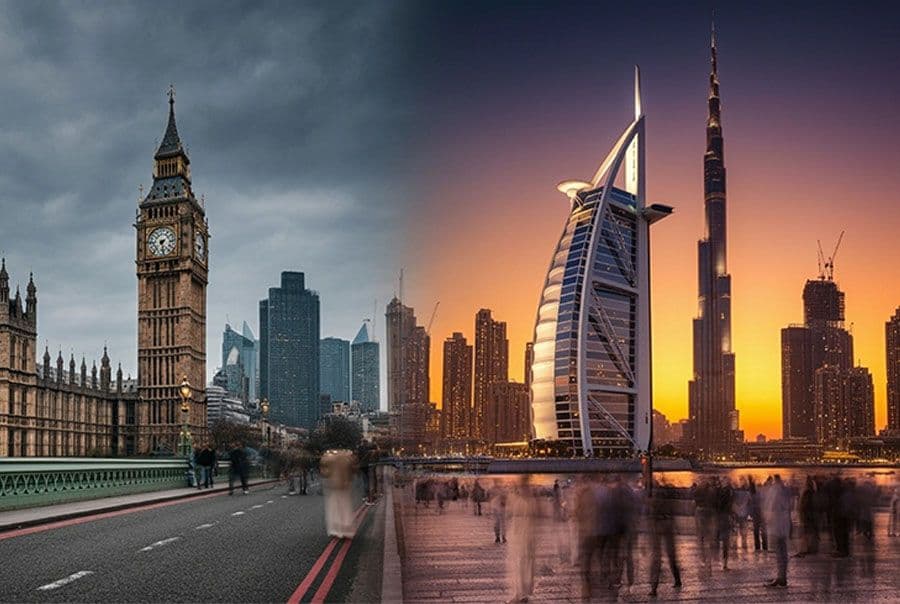
For buyers who want to establish themselves in a major international business centre, Dubai offers a different set of advantages. The city's air connectivity, international schools, healthcare facilities and established expatriate communities can make long-term residence practical for families and professionals.
The UAE's Golden Residency framework can support that decision, but buyers should consider it alongside the property's financial merits.
A buyer should ask whether the investment makes sense even without the visa benefit. What is the expected rental income? How much will maintenance and service charges cost? Is the property suitable for personal use? Could it be sold within a reasonable period if circumstances change?
These questions matter as much in Dubai as they do in Athens, Limassol, or Istanbul.
Property Investment and the BNW Developments Portfolio
For investors considering the UAE as a long-term base, the residential environment matters alongside the immigration framework.
BNW Developments offers projects across Dubai and Ras Al Khaimah, with residential concepts designed around different lifestyles and preferences. In Dubai, Ramada Residences by Wyndham in Al Jaddaf and Orvessa Residences by Michel Adam in Al Furjan offer options for buyers looking at established and growing residential districts.
On Al Marjan Island in Ras Al Khaimah, developments such as Aqua Arc, Pelagia, FashionTV Acacia, La Perla and Tonino Lamborghini Residences RAK reflect the growing interest in waterfront and lifestyle-oriented property.
These locations appeal to different types of purchasers. Dubai may suit buyers prioritising access to business districts, international connectivity and a broad range of urban services. Ras Al Khaimah offers a different environment, with coastal communities, resort destinations and access to the emirate's natural attractions.
For investors considering a Golden Residency application, check the relevant property value, ownership structure, registration status, and applicable immigration rules with the competent authority. A development's marketing price or payment plan should never be treated as confirmation of visa eligibility.
The most sensible purchase aligns with the buyer's personal, financial, and residency objectives, rather than one selected solely to cross an immigration threshold.
The Bigger Question: Are You Investing in Property or a Future Lifestyle?
The growing link between real estate and investment migration reflects a broader shift in how international buyers view property.
A second home can provide more than occasional accommodation. It may offer a place for family members to spend time together, a base for business travel or the flexibility to relocate when circumstances require it.
Yet residency programmes are not permanent guarantees. Governments can revise thresholds, restrict qualifying investments or change the conditions attached to renewals. Portugal and Spain show how quickly the landscape can shift.
In 2026, the UAE remains a notable option for property investors seeking long-term residency, while Greece and Cyprus offer different European residence arrangements and Türkiye provides a qualifying route towards citizenship.
None is universally better than the others. Each serves a different purpose.
The strongest decision begins with understanding the immigration benefit, then evaluating the property independently. After all, a residence permit may be an important reason to invest, but the property itself still needs to be worth owning.